Digital Vikingz / Industries

Semantic SEO by industry: the page architecture each vertical needs

Semantic SEO works in any industry whose buyers research before they buy, and the method stays the same while the page architecture changes. Digital Vikingz has applied one method across forty industries. Six verticals recur often enough to carry a dedicated page architecture, listed below with the page types each needs and the trust element that vertical cannot ship without. Every other industry runs on the same method, with page types decided per client in the topical map.

What stays the same across industries, and what changes?

The method is fixed, the page architecture changes by industry, and the page list is decided per client. The table below separates the three.

What is fixed, what changes by industry, and what is decided per client
Same in every industryChanges by industryDecided per client
One central entity and one vocabulary for the whole siteWhich page types exist and what the centerpiece of each one isWhich pages are built and in which order they publish
The query deserves a page testThe trust element every page must carryWhich pages hold the listings or the comparison for each core query
Block order on the page and one fact per sentenceWhich queries pass the page testHow deep each cluster goes before the next one opens
Measurement in Google Search Console after every core updateThe outer topics that feed the coreThe topical border: the topics the site will not cover, with the reason

Which verticals carry a dedicated page architecture?

Six verticals carry a dedicated page architecture because the same buyer questions and the same trust requirement recur in every client we see there.

Semantic SEO for saas and b2b software

SaaS and B2B software

Page types
Feature pagesComparison guidesAlternatives pagesIntegration guidesPricing pagesLanding pagesUse-case pagesKnowledge base articlesCase studiesRoundup articles

A software buyer decides on comparison and alternatives pages, so those pages carry the core, and the knowledge base carries the outer section and links inward. Feature pages define what the product does. Comparison and alternatives pages answer the buyer who already has a shortlist. Integration guides, use-case pages and case studies corroborate the claims with named contexts.

Trust element the vertical needs: Named practitioners and product screenshots with real values on the page.

Semantic SEO for SaaS and B2B Software


Semantic SEO for ecommerce and retail

E-commerce and retail

Page types
Product pagesCategory pagesCollection pagesBuying guidesProduct comparisonsReview pagesBest-of guidesBrand pagesFAQ hubs

Category and collection pages carry the core in retail, and buying guides and best-of pages carry the outer section, with a value shown beside every item. A category page that defines the product class ranks for the class. A buying guide that names price, size and material for each item gets cited for the choice. The blog feeds the categories instead of competing with them.

Trust element the vertical needs: Filters on every listing page and prices as visible text, not images.

Semantic SEO for Ecommerce and Retail
Semantic SEO for healthcare and medical

Healthcare and medical

Page types
Service pagesCondition guidesTreatment overviewsLocation pagesProvider profilesPatient resourcesProcedure explainersFAQ hubs

Condition and treatment guides form the informational spine, location and provider pages convert, and every claim carries its source because the topic is held to the highest scrutiny Google applies. A patient searches the condition first and the practice second. The practice whose site defines the condition, the treatment and the provider with one vocabulary gets the call.

Trust element the vertical needs: Named providers with credentials and licensing, and an identity block on every page.

Semantic SEO for Healthcare and Medical Practices
Semantic SEO for finance and fintech

Finance and fintech

Page types
Product pagesComparison guidesRate comparisonsEducational contentRegulatory guidesTrust and security pagesCalculator pagesInsurance explainers

Rate comparisons and calculators are the working centerpieces, and regulatory guides and trust pages carry the corroboration AI engines look for before they cite a financial source. A rate without a date is a liability. A calculator that works is a page Google treats as a tool, not an article.

Trust element the vertical needs: Regulator names, dated rates and working calculators.

Semantic SEO for Finance and Fintech
Semantic SEO for real estate and property

Real estate and property

Page types
Property listingsNeighbourhood guidesMarket reportsBuyer guidesSeller guidesMortgage explainersInvestment guidesLocation pagesAgent profiles

Listings and location pages are the core, and neighbourhood guides and market reports earn the first clicks and link inward. A buyer researches the area before the property. The site that owns the neighbourhood owns the listing query that follows.

Trust element the vertical needs: Agent profiles, dated market data and typed values on every listing.

Semantic SEO for Real Estate and Property
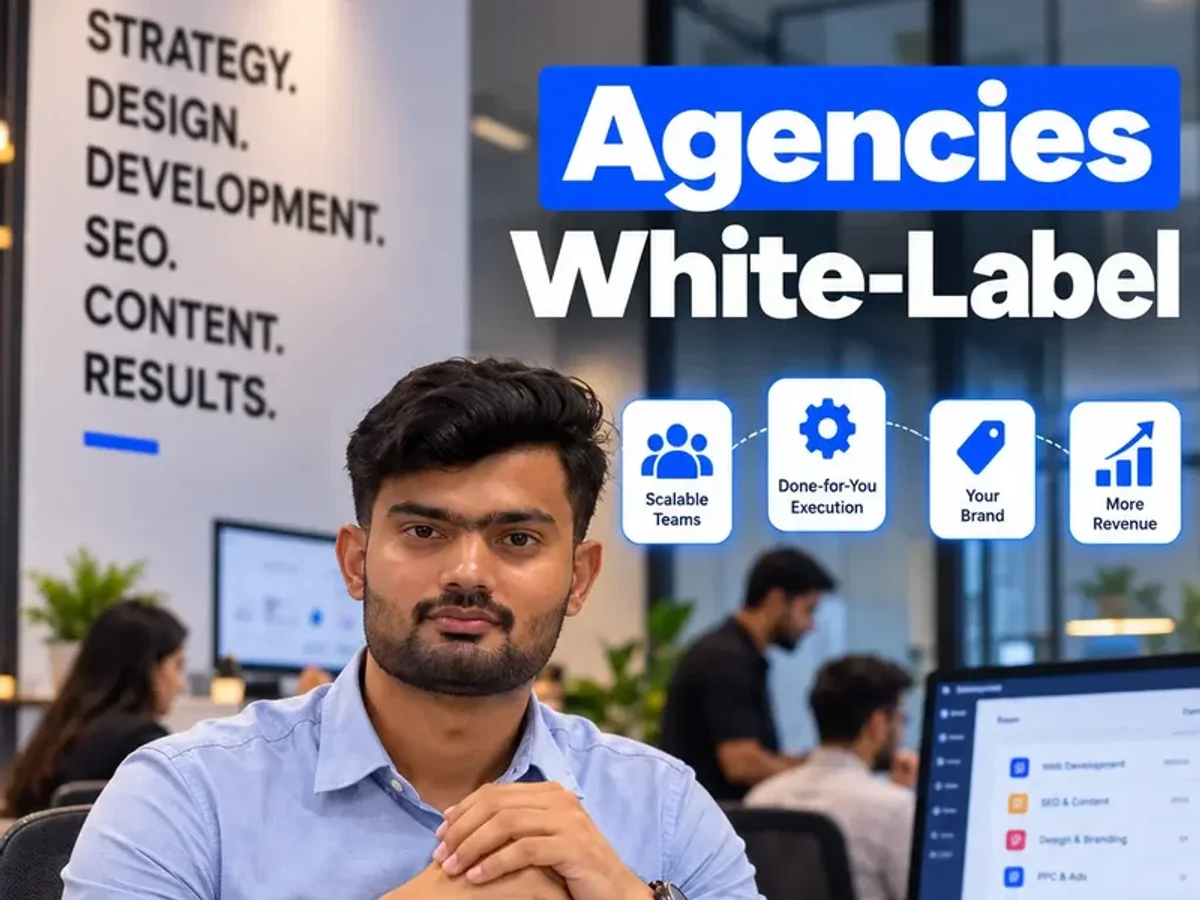
Semantic SEO for agencies, white-label

Agencies, white-label

Deliverables
Semantic SEO architectureTopical mapsContent briefsLong-form writingAudit reportsAI visibility programsLink buildingClient-facing deliverables

An agency gets the full system under its own brand: architecture, topical maps, briefs, writing, audit reports, AI visibility programs and link building, with every deliverable prepared for the client handoff. The agency owns the relationship. Digital Vikingz never contacts the agency's client.

Trust element the vertical needs: Your brand on every document, and a written standard your client can read.

White-Label Semantic SEO for Agencies

Which other industries run on the same method?

Every industry below runs on the same method, with page types decided per client in the topical map.

Lawyer explaining a document to a couple at a desk with law books, a gavel and a Lady Justice statue, semantic SEO for legal firmsLegal
Travel agent showing a holiday brochure to a couple beside a destination signpost, globe and passport, semantic SEO for travel and tourismTravel and tourism
Hotel receptionist checking in a smiling couple with luggage at a marble front desk, semantic SEO for hospitalityHospitality
Teacher with a tablet leading a small class beside a whiteboard of learning, skills and growth notes, semantic SEO for educationEducation
IT team reviewing code and a cloud network diagram on office monitors, semantic SEO for IT servicesIT services
Editor making notes in a book at a desk with magazines, a laptop and a page layout on screen, semantic SEO for publishingPublishing
Makeup artist applying blush to a client in a beauty salon chair, semantic SEO for beauty businessesBeauty
Mechanic working on a car engine in a repair workshop with a lifted car behind, semantic SEO for automotive businessesAutomotive
Semantic SEO for manufacturingManufacturing
Two logistics staff in safety vests checking a tablet at a port with a truck, cargo ship, forklift and plane, semantic SEO for logisticsLogistics
Recruiter holding a resume while interviewing a candidate at an office desk, semantic SEO for recruiting firmsRecruiting
Two engineers in hard hats reviewing blueprints at a building site with a crane and excavator, semantic SEO for constructionConstruction
Wedding planner showing a tablet to a bride and groom at a decorated outdoor reception table, semantic SEO for wedding and eventsWedding and events
Cleaner in orange gloves wiping a counter while colleagues vacuum and wash windows, semantic SEO for cleaning servicesCleaning services
Agent handing keys to a couple with suitcases outside a modern holiday villa with a For Rent sign, semantic SEO for rentalsRentals
Two clinicians checking boxes of face masks and supplies in a stocked medical storeroom, semantic SEO for medical suppliesMedical supplies

Questions about industries

Do you work in industries not listed here?
Yes. Any industry with a definable central entity and a network of buyer queries fits the method. The six verticals have a dedicated architecture because they recur most. The tiles are industries served under the same method with page types decided per client.
Why does the page architecture differ by industry?
Buyers in different industries ask different questions in a different order, and the page architecture follows the questions. A software buyer compares. A patient researches a condition. A home buyer researches an area. The page types match the step the buyer is on.
Do you work with competing businesses in the same industry?
Not in the same market. Two businesses in the same vertical and the same service area would receive the same topical map, so one of them would lose. We take one client per vertical per market and say so on the call.
Which vertical should start the engagement when a business serves two?
The one that produces revenue today. A business serving two markets with two distinct buyers gets two roots on the site, built one at a time, starting with the one the business depends on.

Every vertical above runs on the same nine services, from the audit and the architecture through production, AI search visibility, authority signals and attribution. See the services page for the deliverable inside each one.

Semantic SEO services
Book a callWhatsApp