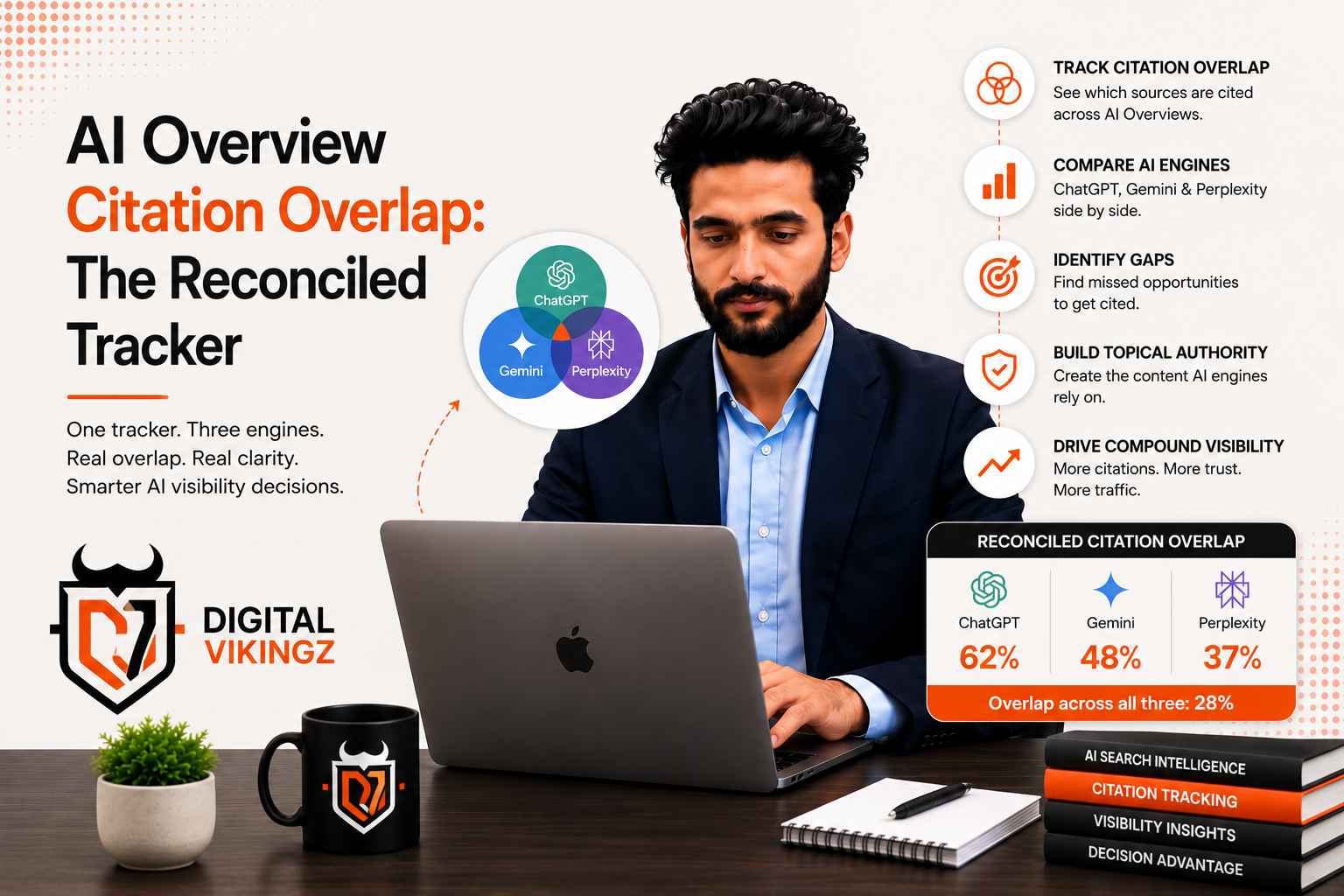
Each platform retrieves differently. ChatGPT, Perplexity, and Google AI Overviews run three separate pipelines with little overlap. Earned media dominates the outcome, accounting for 84% of AI citations. We engineer these properties through our AI search visibility service.
How Do AI Search Engines Select Sources?
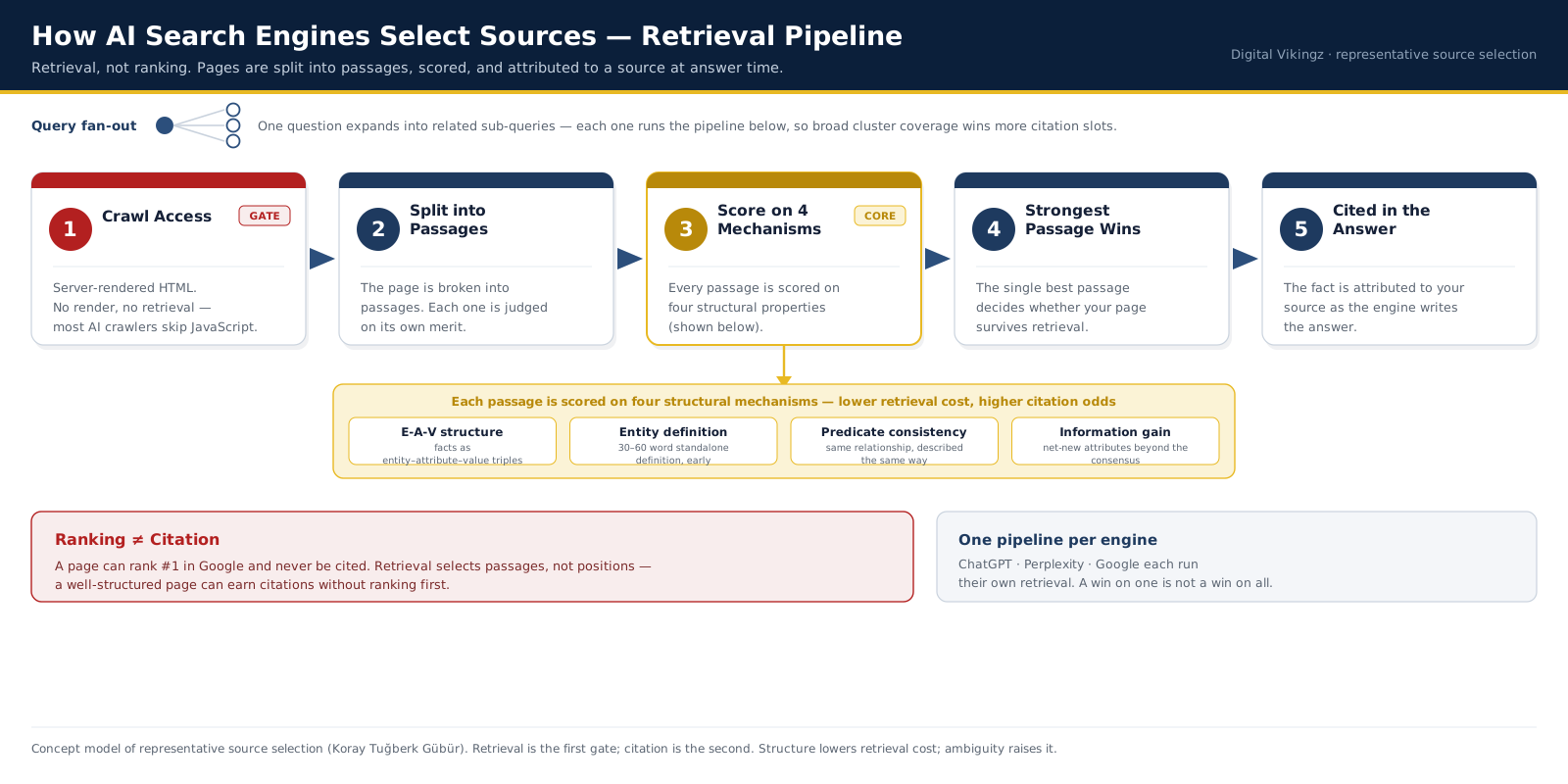
AI search engines do not rank pages. They retrieve passages, score them, and attribute facts to sources while generating the answer. A page can rank in Google and never earn a citation.
Retrieval is the first gate. Citation is the second. The system splits pages into passages and judges each one on its own. The strongest passage decides whether your page survives.
Koray Tuğberk Gübür frames this as representative source selection. The engine picks the source that represents the answer at the lowest retrieval cost. Structure lowers that cost. Ambiguity raises it.
Why Crawl Access Decides AI Search Retrieval
Crawl access decides everything downstream. If the crawler cannot fetch your page, no other property matters.
Most AI search crawlers do not render JavaScript, per repeated third party testing. Content that loads client side is invisible to them. Server rendered HTML is the baseline requirement.
How Query Fan-Out Expands AI Citation Slots
One question becomes many searches. Google's own documentation confirms that AI Overviews and AI Mode may use a query fan-out technique. The system issues multiple related searches across subtopics before writing the answer.
ChatGPT Search behaves the same way. OpenAI states it rewrites your query into one or more targeted queries. Broad topical coverage therefore wins more citation slots than one strong page. Sites with deep cluster coverage appear in more sub-query pools.
What Are the Four AI Citation Mechanisms?
Citation is a structural property. Four page level properties decide it: clean E-A-V structure, entity definition strength, predicate consistency, and information gain. We engineer all four at the architecture layer, and the full specifications live in our operating manual.
Clean E-A-V Structure for LLM Retrieval
LLMs retrieve relational triples: entity, attribute, value. Pages that surface facts in extractable form beat pages that bury them in marketing prose. Quantified values beat qualitative claims.
Entity Definition Strength for AI Answers
Define the entity early and completely. A 30 to 60 word extractive opening can stand alone as the answer. Scattered or delayed definitions get skipped for locked ones.
Predicate Consistency Across Sources
AI systems cross validate claims across pages and sources. The same relationship described the same way raises model confidence. Fragmented predicates lower it and cost you the citation.
Information Gain Beyond the Agreement Area
Retrieval models weight sources that add net new attributes beyond the consensus. Restating what every ranking page already says earns nothing. New data, new frameworks, and new edge cases earn retrieval priority.
How Do ChatGPT, Perplexity, and Google Choose Citations?

ChatGPT, Perplexity, and Google run three different retrieval pipelines. Overlap between them is small. Ahrefs found Google's own AI Overviews and AI Mode cite the same URLs only 13.7% of the time across 540,000 query pairs.
How ChatGPT Search Selects Cited Sources
OpenAI runs three separate crawlers. GPTBot collects training data. ChatGPT-User fetches pages live during conversations. OAI-SearchBot builds the search index.
OpenAI states plainly that inclusion requires allowing OAI-SearchBot to crawl your site. That is the one official lever. ChatGPT Search combines its own index with partner search providers and rewrites queries into targeted sub-queries.
OAI-SearchBot does not render JavaScript, per third party consensus. Ahrefs data also shows ChatGPT is the least authority gated engine. That makes it the entry point for new brands.
How Perplexity Ranks and Cites Sources
Perplexity runs its own live retrieval on every query. PerplexityBot builds the index. Perplexity-User fetches pages during active conversations. Google rankings do not transfer.
A multi-stage reranker scores relevance, freshness, trust, and structure. Perplexity selects for extraction quality: whether the system can quote your page without distortion. Typical answers cite 3 to 8 sources, so slots are contested.
How Google AI Overviews and AI Mode Cite Sources
Both features draw from Google's index and may use query fan-out. Google's documentation is explicit: eligibility requires nothing beyond being indexed and snippet eligible. There is no special AI markup.
AI Overviews lean toward top 10 organic results. Studies place that overlap anywhere between roughly 40% and 76%, and the studies genuinely conflict. AI Mode retrieves from a broader, less ranking correlated pool. Ranking helps in AI Overviews. It guarantees nothing in AI Mode.
Why Do Brand Mentions Beat Backlinks in AI Search?
AI systems learn trust from text across the open web, not from link graphs alone. Muck Rack analyzed more than 25 million AI citation links in May 2026. Earned media accounted for 84% of all citations. Paid and advertorial content accounted for 0.3%.
Ahrefs studied 75,000 brands. Branded web mentions correlated with AI Overview visibility at 0.664. Backlinks correlated at 0.218. That is roughly a 3x gap.
The mechanism behind those mentions is the same editorial engine we described in what authority link building actually is. Earned coverage builds rankings and citations at once.
Which Content Formats Earn the Most AI Citations?
Three formats earn roughly 52% of all AI citations. Wix Studio's AI Search Lab and Evertune analyzed 75,000 AI answers and more than 1 million citations. Listicles took 21.9%. Articles took 16.7%. Product pages took 13.7%.
Listicles alone captured 40% of commercial intent citations. The traffic that arrives also performs. Semrush measured AI referred visitors converting at 4.4x the rate of organic visitors. Fewer clicks, better clicks.
How Do You Test AI Citation Readiness?

Citation readiness is measurable. Run a fixed prompt set across ChatGPT, Perplexity, Gemini, and Google AI Overviews every month. Score citation rate per topic cluster. Root cause every failure to one of the four mechanisms.
We run 30 to 60 representative queries across four LLM surfaces in every diagnostic. A full AI citation readiness assessment sits inside the $2,000 semantic audit. It tells you which clusters retrieve, which fail, and why.
How to Get Cited by AI Search Engines: Key Takeaways
Citation is a structural property, not a bolt-on tactic. Digital Vikingz engineers E-A-V structure, entity definitions, predicate consistency, and information gain at the architecture layer. Then we test retrieval monthly across four surfaces and fix what fails.
Most agencies chase rankings and hope citations follow. We engineer retrieval directly. Want to become the entity AI systems quote in your category? Start with our AI search visibility service.
FAQs About AI Search Engine Citations
Does ranking #1 in Google guarantee an AI Overview citation?
No. Overlap studies range from about 40% to 76%, and AI Mode overlaps top 10 results far less. Retrieval selects passages, not positions. A well structured page can earn citations without ranking first.
Which AI search engine is easiest for a new brand to win?
ChatGPT. Ahrefs data shows it is the least gated by domain rating and backlinks. Allow OAI-SearchBot, serve server rendered HTML, and front load direct answers.
Do backlinks matter for AI citations?
Less than mentions. Ahrefs measured branded mentions at 0.664 correlation with AI Overview visibility versus 0.218 for backlinks. Earned editorial coverage moves both surfaces at once.