 Digital Vikingz
 / About
About Digital Vikingz
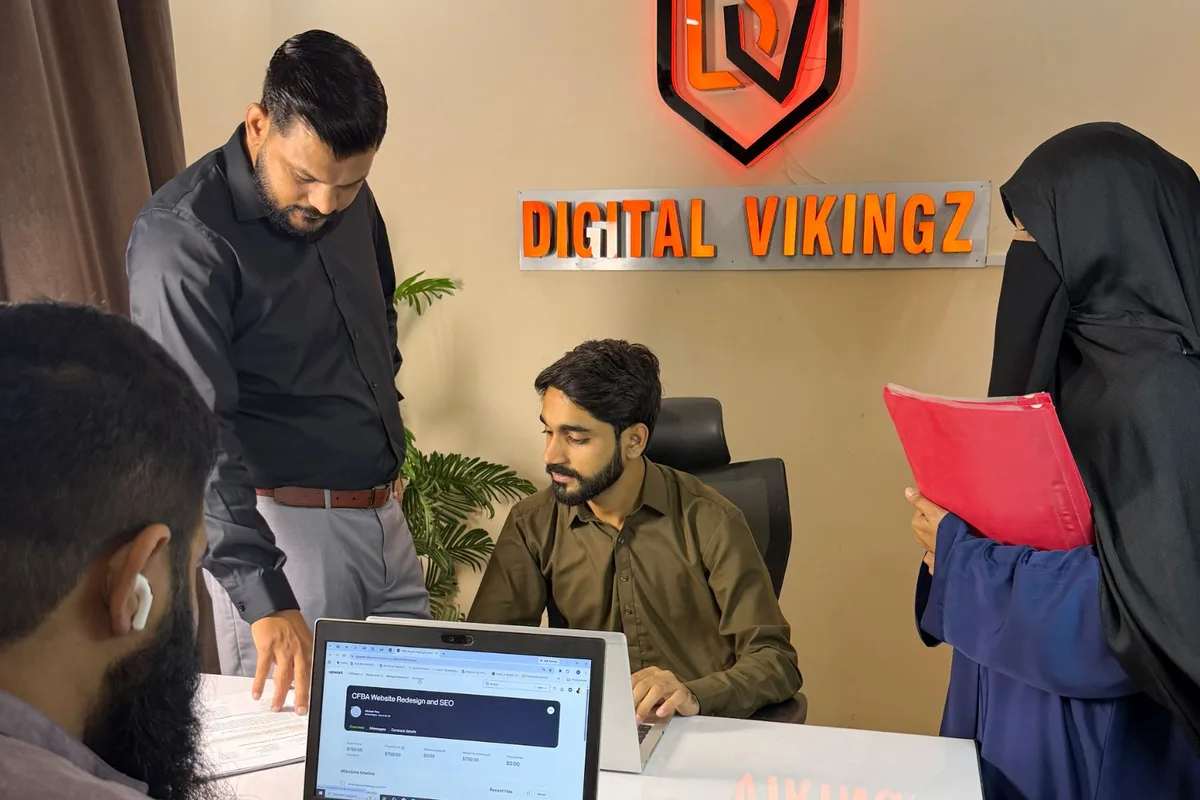
Digital Vikingz is a semantic SEO agency. We help B2B SaaS companies and local service businesses win more customers and revenue from Google Search, Google Maps and AI answer engines such as ChatGPT, Perplexity and Gemini. We sell semantic SEO strategy, content, AI search visibility, local SEO and SEO-first websites as fixed-fee projects and monthly retainers. Our clients are mainly in the USA, and also in the UK, Canada, Australia, UAE and Germany. AI agents do the repetitive research, drafting, auditing and reporting, and people review every output.
Why does Digital Vikingz exist?
Digital Vikingz exists to make a business website the source Google and AI answer engines trust on one topic.
Much SEO work is sold as activity: title tags, bought links and a monthly article quota. Sites built that way stay collections of pages, and core updates send their rankings back.
Digital Vikingz follows the semantic SEO framework published by Koray Tugberk Gubur: source context, central entity, topical map, then one fact per sentence. Every engagement is specified first and measured in Google Search Console.
What does Digital Vikingz believe about search?
Digital Vikingz believes a site wins search as one deep source, built in a planned order and judged by leads. We turn work away when a client wants the opposite.
We build one central entity per site. A business with two central entities gets two roots.
The first batch targets the hardest topics in the vertical, because beating the authorities there classifies the site with them.
Rankings and impressions go in the appendix. The page that paid for itself goes on page one.
What do the four terms behind the method mean?
Four terms carry the method, and each keeps one definition across this site and every engagement.
Semantic SEO is search optimization that structures a site around entities, their attributes and their values rather than around keyword frequency.
Topical authority is the state in which a site ranks across the whole network of queries around one topic, assigned by Google to a source that covers the topic with consistent depth and vocabulary over time.
A central entity is the one noun phrase every page on a site reinforces, with a definition sentence that stays identical across the site, the schema and every profile.
A source term vector is the vocabulary a site speaks, recorded as canonical terms, allowed synonyms and banned terms, and checked on every page before publication.
How does an engagement run?
An engagement runs through three layers in a fixed order: Claim, Shield and Scale. Each layer closes with a named output the business keeps.
Claim
The audit states where the site stands, and the topical map sets which pages exist. Output: the issue map and the 12-month roadmap.
Shield
Entity definitions, schema and third-party citations hold the site's position in search results and AI answers. Output: monthly citation and placement reports.
Scale
Content briefs, writing and internal links ship cluster by cluster. Output: the published network and the pipeline report.
In what order does the work happen?
- ClaimDefine the source context and central entityWhat the business is, for whom, and the entity every page reinforces.
- ClaimBuild the topical map, with core and outer sectionsWhich topics earn a page, and the order they publish in.
- ScaleCreate the semantic content network and its briefsA content brief for every page, audited by a separate reviewer before it goes live.
- ShieldImplement, monitor and expand the authority signalSchema, links, mentions, a weekly Search Console and AI answer report, and new pages where the data asks.
How do AI agents and people share the work?
AI agents do the work that repeats every week, and people make every decision. Agents run query research, first-draft content briefs, audits, the Monday Search Console report and Google Business Profile posts. People set the strategy, edit the pages and approve every output. The writer and the auditor are never the same agent.
Who runs Digital Vikingz?
Usman Ishaq, the founder, owns the strategy, and Abad Aslam owns what gets published.
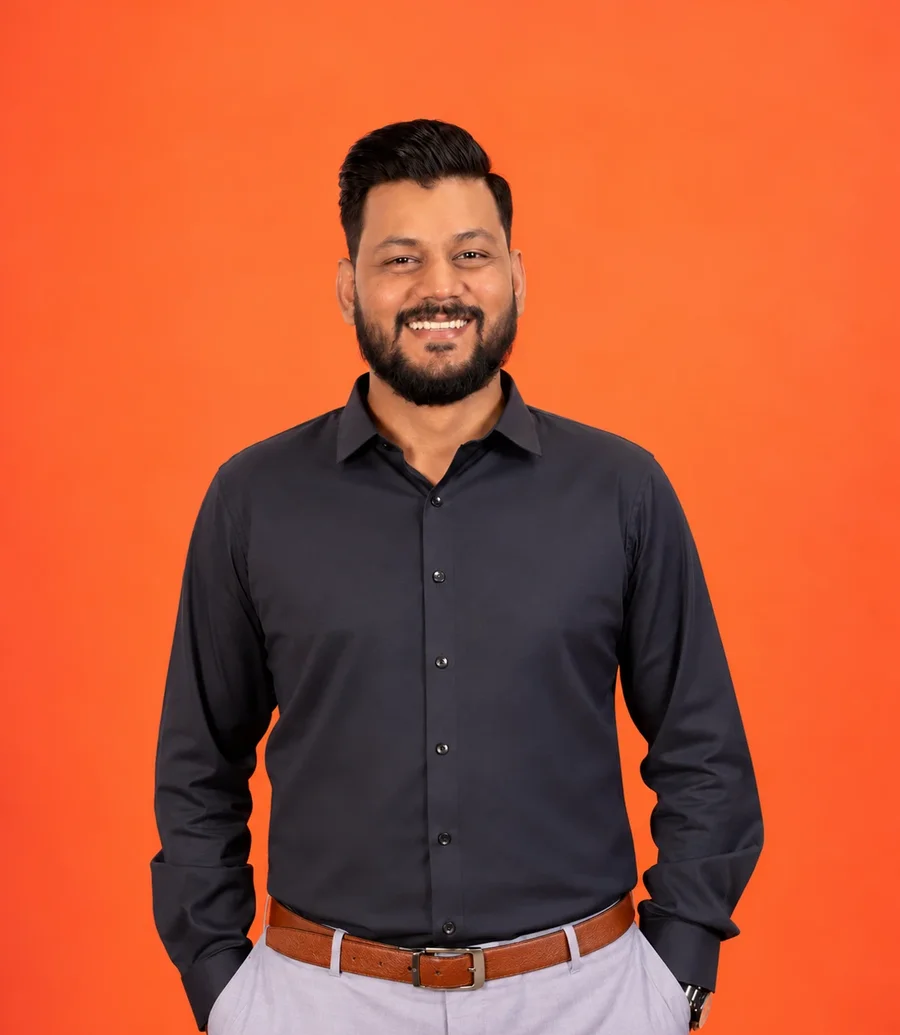
Builds or reviews every topical map, central entity definition and audit before it reaches a client.

Owns brief integrity, editorial standards and the publishing workflow that turns the map into pages.
Where does Digital Vikingz work?
Digital Vikingz works with businesses in six countries, the United States first. Each program uses that market's spelling, units and search habits.






Questions about the company
What does Digital Vikingz do?
What makes the method different from keyword SEO?
Is the method Koray Tugberk Gubur's or your own?
What kind of client do you turn away?
Who does Digital Vikingz work with?
Does Digital Vikingz use AI in client work?
Where to read the work itself
The services, the results and the people are each one page away.