 Digital Vikingz
Semantic SEO for Local Service Businesses
Semantic SEO for local service businesses means one set of facts about the business, its services and its area, stated the same way on the website and the Google Business Profile. That match helps Google Maps, Google Search and AI assistants connect plumbers, electricians, HVAC companies and other trades to searches in their area.
Which pages does a local service website need?
A local service website needs service pages, service-location pages and problem guides, plus an emergency page where the business offers one. The table gives each of the eight query patterns its verdict, page type, main component and trust element.
| Query pattern | Verdict | Page type | Main component | Trust element |
|---|---|---|---|---|
| [service] in [city] | Page | Service-location page | Summary, price range and area, then call or book | Address, hours and phone as text; Google Business Profile matched |
| [service] near me | No page | Service-location page and Google Business Profile | Service area block naming the suburbs | Verified profile with the right primary category |
| [service] cost | Section | Section on the service page | Cost factors table; range as text with the date | What the quote includes, as text |
| emergency [service] | Page | Emergency service page, where offered | Phone number first, then response time and hours | Hours matching the profile |
| [problem], such as a leaking water heater | Page | Problem guide | What causes it, what to check, when to call | Named technician as author, with licence |
| [service] vs [service] | Section | Section on the more searched service page | Two-column typed comparison | Both services named in each sentence |
| [business name] reviews | Section | Reviews block on the homepage and service pages | Recent reviews naming the service and the area | Link to the reviews on the Google Business Profile |
| is [business] licensed and insured | Section | Identity block and About page | Licence number, insurer and years in business as text | Regulator named, with the licence number |
What is the central entity of a local service website?
The business in its service area is the central entity of a local service website, linked to its services and its locations.
The map pack reads the Google Business Profile, and the results below it read the website. Google checks one against the other. Different categories or phone numbers across the profile, the website and directories make one business read as three. The architecture gives the profile, the pages and the schema one set of facts.
Business
Service
Location
How do core and outer sections split a local service website?
The core section wins calls and bookings. The outer section answers problem and cost questions and links inward.
- Service pages
- Service-location pages
- Emergency service page
- Booking and contact page
- Problem guides
- Cost guides
- Maintenance and seasonal guides
- Repair or replace explainers
Where do local service websites go wrong?
Local service websites go wrong with copied suburb pages, a mismatched profile and a single Services page.
'Plumber in [suburb]' across twelve suburbs fails the page test on demand and similarity. One page exists per staffed location, with the suburbs in a service-area block.
The Google Business Profile lists one category and phone number, and the website shows another. Google cannot confirm both describe the same business, so both lose ranking strength.
A single Services page with ten services gives no service its own answer. Each service with demand gets a page with its price range, process and questions.
What makes a local service page trustworthy to search engines and buyers?
A local service page earns trust from six elements stated the same way everywhere:
- Name, address and phone as text, identical to the Google Business Profile
- Licence number and insurer named
- Reviews that name the service and the area, with a link to the profile
- Captioned photos of the team and finished jobs
- Dated price ranges as text
- Matching hours on the page, the profile and the schema
What is measured on a local service site?
Semantic SEO for local service businesses is measured in calls, bookings and map pack presence:
- Calls, direction requests and website clicks from the Google Business Profile
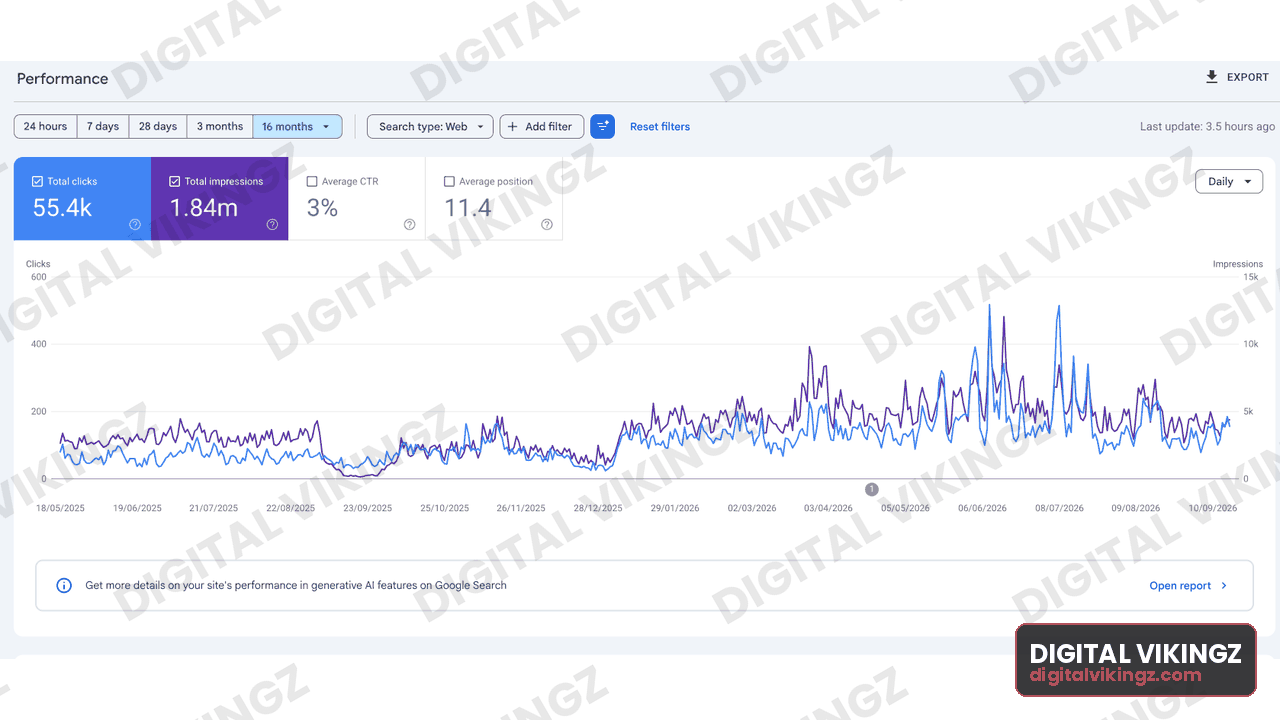
- Clicks per template in Google Search Console: service, service-location, problem guide
- Map pack presence per service and area
- Form and booking submissions by source page
- Mentions in ChatGPT, Gemini and AI Overviews for [service] in [city] questions
Which services fit a local service website?
Local SEO and Google Business Profile, the Semantic SEO Audit and SEO Website Development fit most local service websites.
 Local SEO and Google Business ProfileProfile, listings and pages set to the same facts, with weekly posts and review replies.
 Semantic SEO AuditA written issue map of entity coverage, page structure and AI citation readiness.
 SEO Website DevelopmentService and location templates built to the map on WordPress, Wix or Squarespace.
 Query Deserves a PageThe test behind every verdict in the table
 Talk to usMessage the team on WhatsApp
Questions about semantic SEO for local service businesses
Do we need a page for every suburb we serve?
Can a business without a shopfront appear in Google Maps?
How do reviews affect local rankings?
Do AI assistants recommend local businesses?
How long before calls increase?
Which structured data does a local service site use?
Map your site in thirty minutes
Bring your site and your Google Business Profile. The call names its central entity and the first page decisions. Run the free AI Visibility Checker for a first read.