Digital Vikingz
Semantic SEO for SaaS and B2B Software
Semantic SEO for SaaS is a site architecture that gives each buyer-stage query about a software product its own page type, from the category page to the help article. Digital Vikingz measures those pages by pipeline created, not by traffic.

Which pages does a SaaS website need?
A SaaS website needs a page or a section for each buyer query pattern, from the category page to the help article. The table gives each of the nine patterns its verdict, page type, main component and trust element.
| Query pattern | Verdict | Page type | Main component | Trust element |
|---|---|---|---|---|
| [product category] software | Page | Category landing page | Ranked feature table with typed values | Named customers with permission, security page linked |
| [product] features | Page | Feature hub with one section per feature | Feature grid: a screenshot and a value per feature | Screenshots of the product, dated |
| [feature] for [segment] | Section | Section on the feature page | Segment tab inside the feature grid | Use case named with the segment's term |
| [product] vs [competitor] | Page | Comparison page | Comparison table with typed values, pros and cons | Competitor claims sourced and dated |
| [competitor] alternatives | Page | Ranked entity list | Ranked list with the deciding attribute per item | Sort rule stated in text |
| [product] pricing | Page | Pricing page | Plan cards plus a working estimator | Prices as text with the billing period |
| [product] [integration] integration | Page | One integration page per integration with demand | Setup steps and the synced data as a list | Integration listed on the partner's directory |
| how to [task] in [product] | Page | Help article | Numbered steps with screenshots | Author named, version dated |
| what is [problem the product solves] | Page | Outer-section guide | Definition block, then the mechanism | Links inward to the category page |
What is the central entity of a SaaS website?
The product is the central entity of a SaaS website, and buyers compare it attribute by attribute.
Features, integrations, pricing tiers, alternatives, use cases and the problems solved are its attributes. Every buyer query names one attribute or compares several.
How do core and outer sections split a SaaS website?
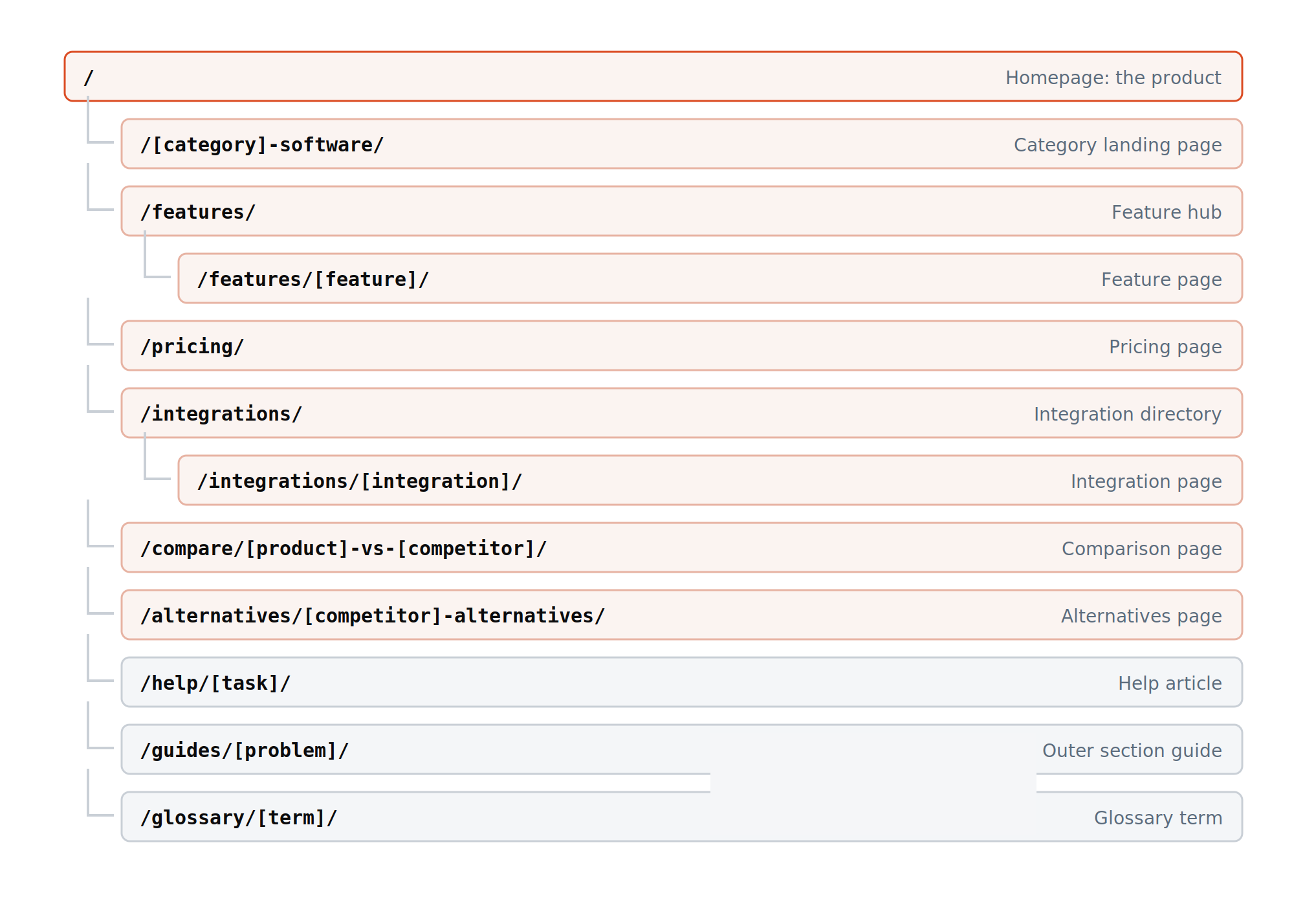
The core section holds the pages buyers decide on. The outer section explains the problem and links inward.
- Category landing page
- Feature hub and feature pages
- Comparison pages
- Alternatives pages
- Pricing page
- Integration pages
- Problem guides
- Use case guides
- Help articles
- Category glossary
- Templates and calculators
Where do SaaS websites go wrong?
SaaS websites go wrong with keyword-variant pages, feature pages without proof and comparison pages that avoid the competitor.
Three pages for 'CRM for startups', 'startup CRM' and 'best CRM for startups' split one intent. The page test merges them into one category page.
A feature page without a screenshot, a value and a use case misses the feature grid the query asks for.
A 'vs' page without the competitor price or a differentiating attribute fails both the co-occurrence test and the buyer test.
What makes a SaaS page trustworthy to search engines and buyers?
A SaaS page earns trust from five facts a buyer can verify:
- Named customers and logos only with written permission
- Security and compliance page with certifications as text
- Product screenshots with a version date
- Author profiles on help content
- Pricing as visible text, never only behind a form
What is measured on a SaaS site?
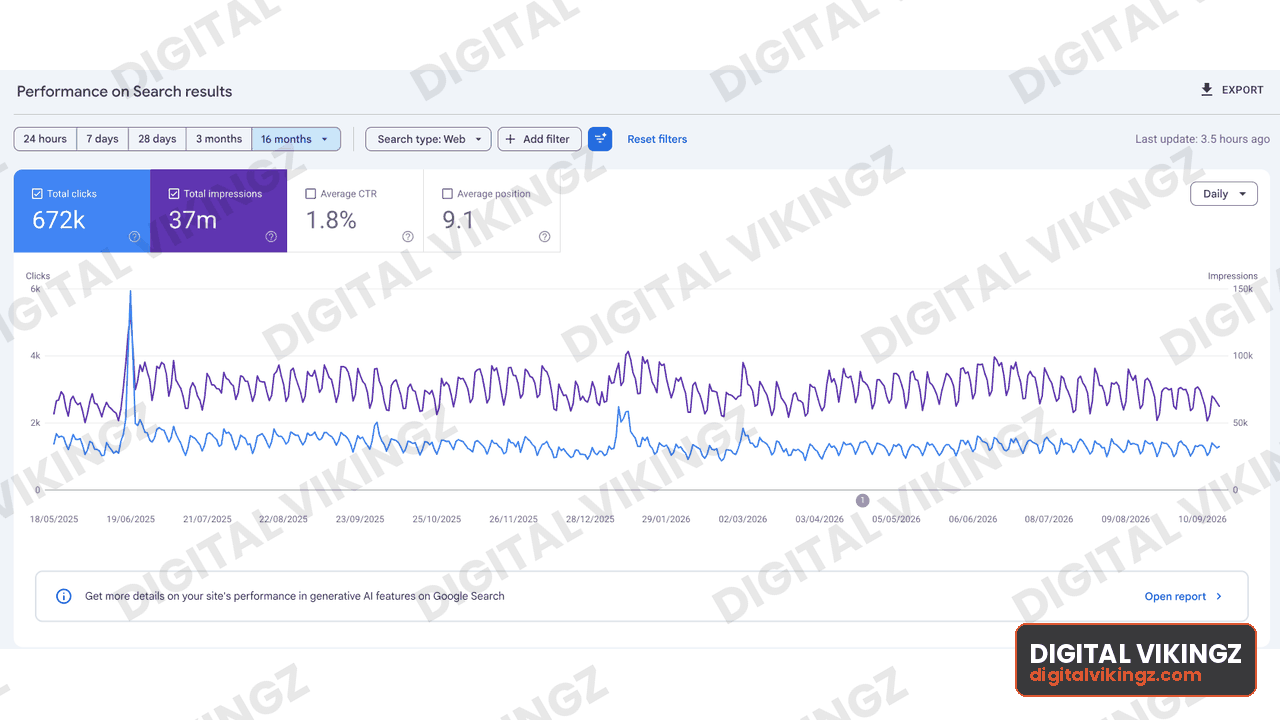
Semantic SEO for SaaS is measured by pipeline per template and cluster:
- Clicks and impressions per template in Google Search Console
- Leads and opportunities per cluster from the CRM source field
- Query count growth per template as the leading indicator
- Citations for category and comparison queries in AI Overviews, ChatGPT, Perplexity and Gemini
Which services fit a SaaS website?
Semantic SEO Strategy, SEO Reporting and Attribution, AI Search Visibility and SEO Automation fit most SaaS websites.
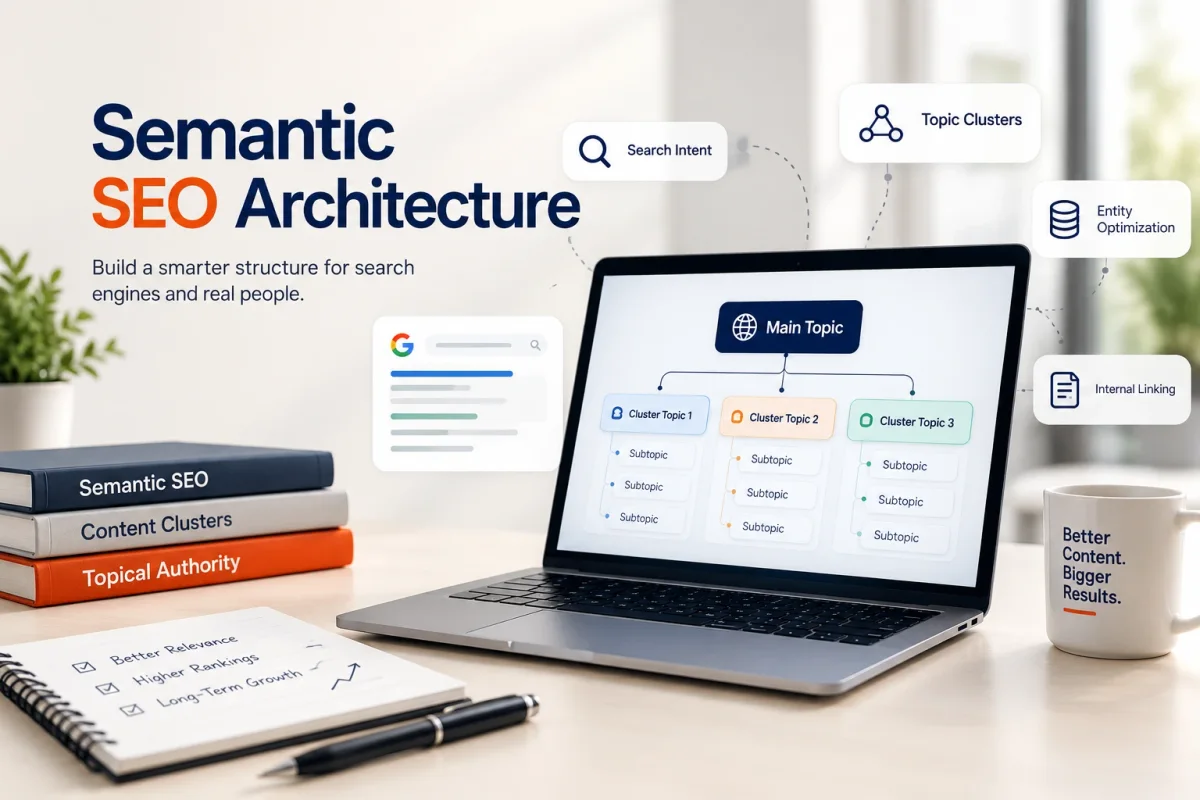 Semantic SEO StrategySource context, topical map and a 12-month roadmap.
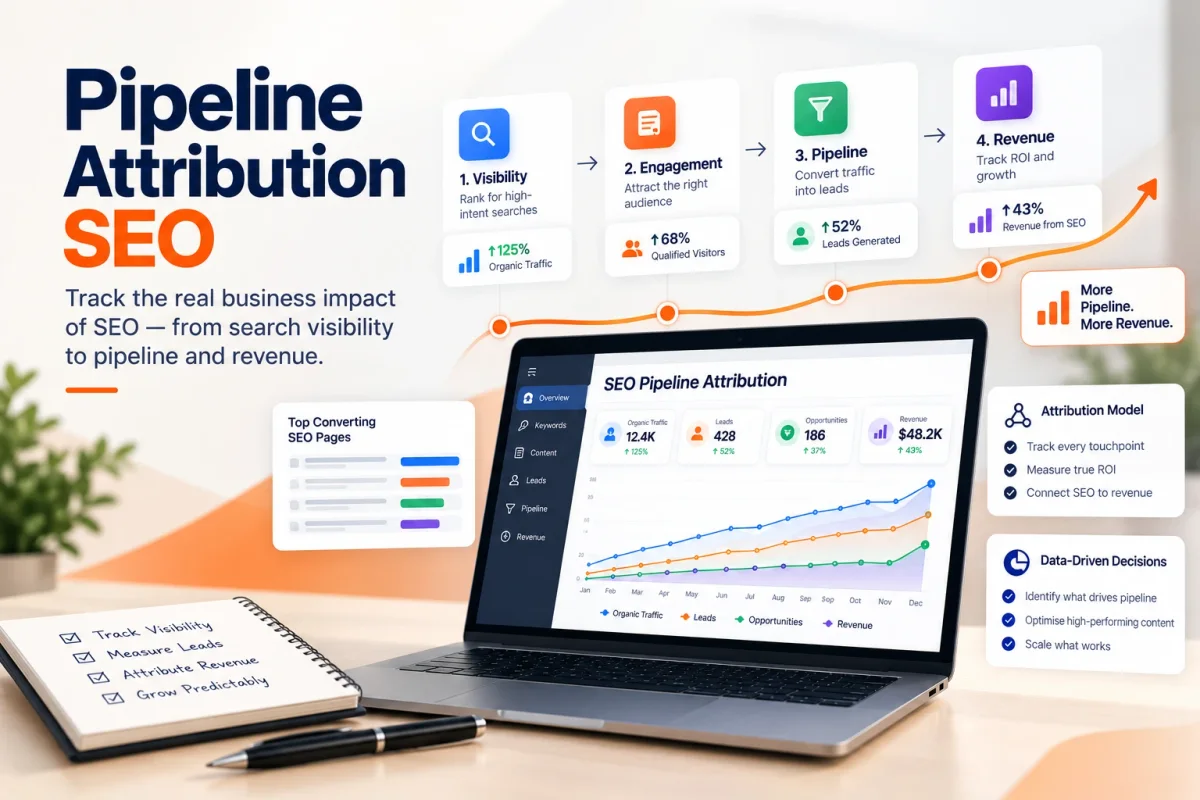 SEO Reporting and AttributionMap nodes tied to leads and revenue.
 AI Search VisibilityAnswer-first passages for ChatGPT, Perplexity, Gemini and AI Overviews.SEO AutomationBriefs, audits and the Monday report drafted by AI agents, approved by your team.
 Query Deserves a PageThe test behind every verdict in the table
 Talk to usMessage the team on WhatsApp
Questions about semantic SEO for SaaS
Do we need a page for every competitor?
How do pages stay accurate when the product changes monthly?
Does help content belong on the main domain or a subdomain?
What happens to integrations with no search demand?
Can we mention a compliance audit that is still in progress?
Who supplies the product facts for feature and comparison pages?
Does a SaaS site selling into Germany, Spain and Italy need translated pages?
Do US and UK buyers need separate English pages?
We are moving to a new CMS. What happens to our existing URLs?
Which structured data types does a SaaS site use?
How do third-party reviews appear on the site?
Does the architecture work on a headless or custom-built CMS?
Map your site in thirty minutes
Bring your site. The call names its central entity and the first page decisions. Run the free AI Visibility Checker for a first read.