Semantic SEO Agency for Topical Authority and AI Search Visibility

Digital Vikingz is a semantic SEO agency that helps B2B SaaS companies, ecommerce brands and local service businesses, including HVAC, plumbing, roofing and dental companies, win more customers from Google, Google Maps and AI answers in ChatGPT, Perplexity, Gemini and AI Overviews. AI agents do the repetitive SEO work, and a person reviews every page.

Read moreShow less

We build the whole site as a system before any page is written. It starts with one central entity and the attributes buyers ask about. Each attribute gets a value, and a topical map covers every topic the site must own. Most sites grow page by page, each page chasing a keyword, so no page says clearly what the whole site is about.

Engagements move through three layers in a fixed order: Claim, Shield and Scale. Claim defines the entity and the map. Shield confirms your authority in AI answers and on independent sites in your field. Scale produces the pages and ties each cluster to the qualified leads it brings in.

We measure Google results by Search Console clicks and leads per topic. We measure AI answers by tracked buyer questions. The AI Visibility Checker gives you a first read of your site in under a minute.

A topical authority network: one central entity, every attribute and query it owns.

How visible is your site to Google and AI search?

The AI Visibility Checker reads your site the way search engines and AI crawlers do and names the fix for every check that fails. It takes under a minute.

Free. Reads up to five public pages the way a crawler does, without running JavaScript. No sign-up to see the result.

Where the work is built and where it is measured

Google Search Console
Google Business Profile
WordPress
Elementor
Shopify
Webflow
Next.js
Ahrefs
Screaming Frog
Figma
Semrush

What does entity-based semantic SEO change about how your site is built?

Entity-based semantic SEO builds the whole site as a system before any page is written: one central entity, the attributes buyers ask about, a value for each attribute, and a map of every topic the site must own.

Most sites are built page by page, each page chasing a keyword, so no page says clearly what the whole site is about. We define that one thing first, then map every topic around it, following the semantic SEO framework published by Koray Tugberk Gubur.

Three rules hold on every site we build:
  • One central entity per site. A business with two entities gets two roots.
  • A written topical border. The topics we leave out are recorded with the reason, so the site stays on the subjects your business can prove.
  • A configuration pass after every Google core update. Lost and gained queries, section order and internal links are re-checked and corrected.
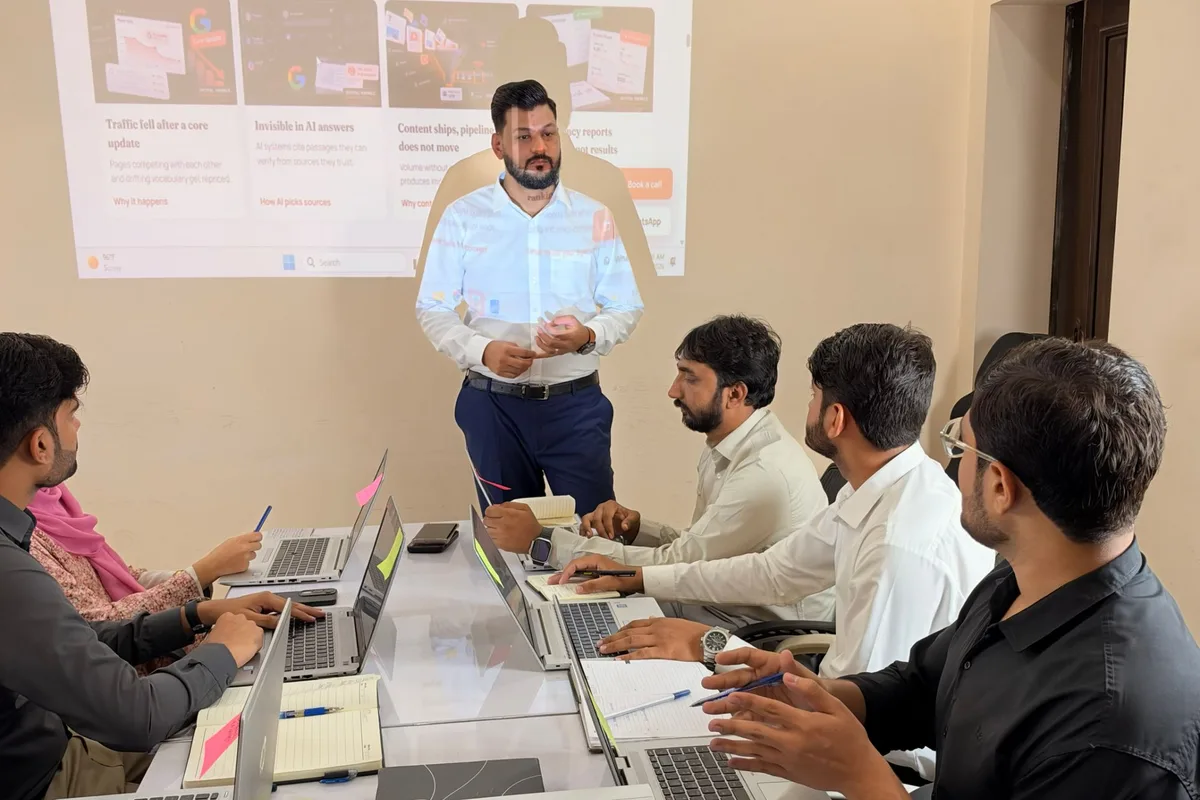
Digital Vikingz team meeting in the office: a presenter stands in front of the projected agency website while five team members work at laptops
Reviewing a topical map before production begins.

Where can buyers find your business?

Buyers now meet a business in four places: Google results, AI answers, Google AI Overviews and AI shopping agents. All four run on the same semantic SEO base, and the finishing work differs for each.

SEO

Google results

Topical map, content briefs, internal links, technical setup and authority links decide which pages rank for the searches that sell.

Measured bySearch Console clicks and leads per topic
AEO

AI answers in ChatGPT, Perplexity and Claude

Answer-first sections, the questions buyers ask as headings, and mentions on review sites and forums decide whether an assistant names you.

Measured byTracked buyer questions: named, cited, and next to whom
AIO

Google AI Overviews and AI Mode

Full coverage of the topic and its follow-up questions decides whether Google cites your page in the overview.

Measured byCitations per tracked search
GEO

AI agents that compare and choose

Complete structured data, accurate prices, stock and policies, and pages AI crawlers can read decide whether an agent picks you.

Measured byData checks and agent-referred visits
One semantic SEO base under all four
One central entityOne topical mapOne vocabularyAI Search Visibility

What does topical authority look like in Google Search Console?

Topical authority looks like the panels below: clicks and impressions that rise through core updates instead of resetting at each one. Every panel is a client's own property, exported the way Google shows it, with clicks, impressions, click-through rate and average position for the full period. Hover over a card, or tap it on your phone, to read how we work on a site like that. Client names are hidden to protect them. On the strategy call we open a live property in an industry close to yours and go through the decisions behind its curve.
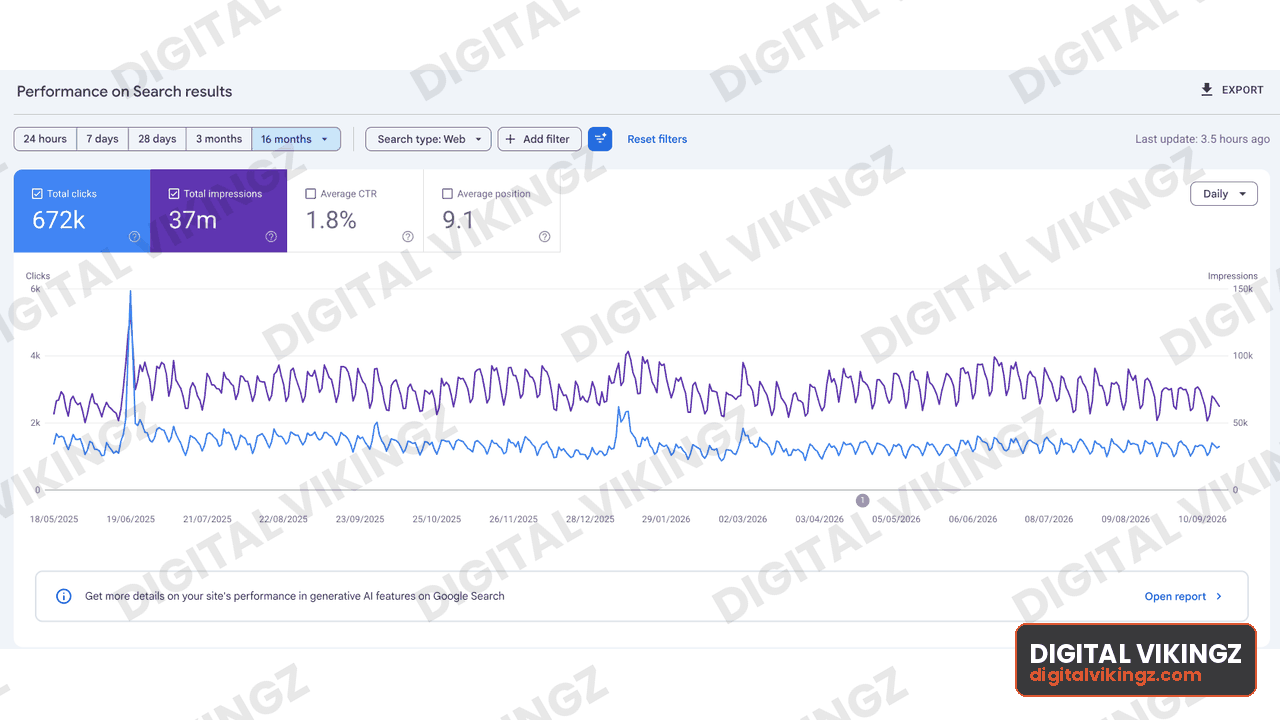
Google Search Console performance panel, B2B SaaS · 16 months: 672K clicks, 37M impressions, 1.8% CTR, average position 9.1

B2B SaaS16 months

672Kclicks

Impressions
37M
CTR
1.8%
Position
9.1
B2B SaaS: 672K clicks

Software buyers search in stages: the problem, the category, the comparison, then the price. We give each stage its own page and link them in that order, so a reader always has a next step. The product is the central entity on every page. 37M impressions show how many of those searches this one site now appears for.
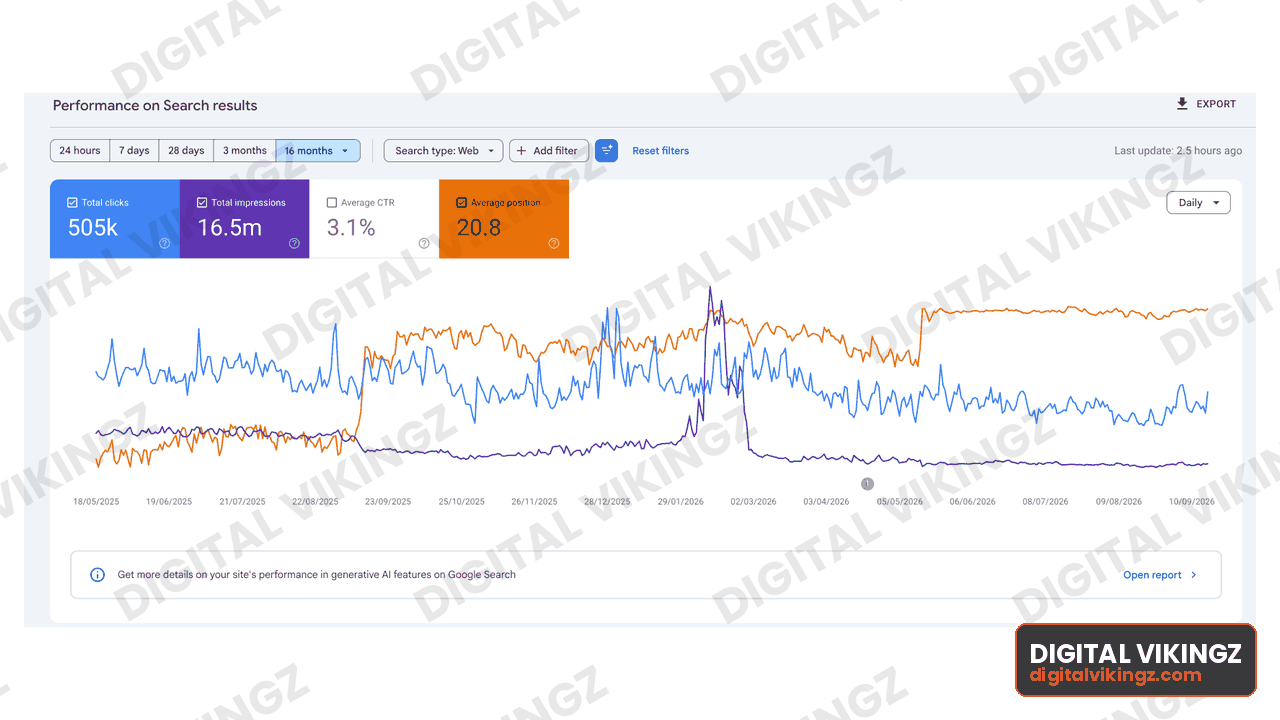
Google Search Console performance panel, Publishing · 16 months: 505K clicks, 16.5M impressions, 3.1% CTR, average position 20.8

Publishing16 months

505Kclicks

Impressions
16.5M
CTR
3.1%
Position
20.8
Publishing: 505K clicks

A publisher covers hundreds of subjects, and Google has to know which one the site is an authority on. We pick that subject, sort the archive into core and outer sections, and refresh older articles before adding new ones. Related stories link to each other. 505K clicks came through over the 16 months on this panel.
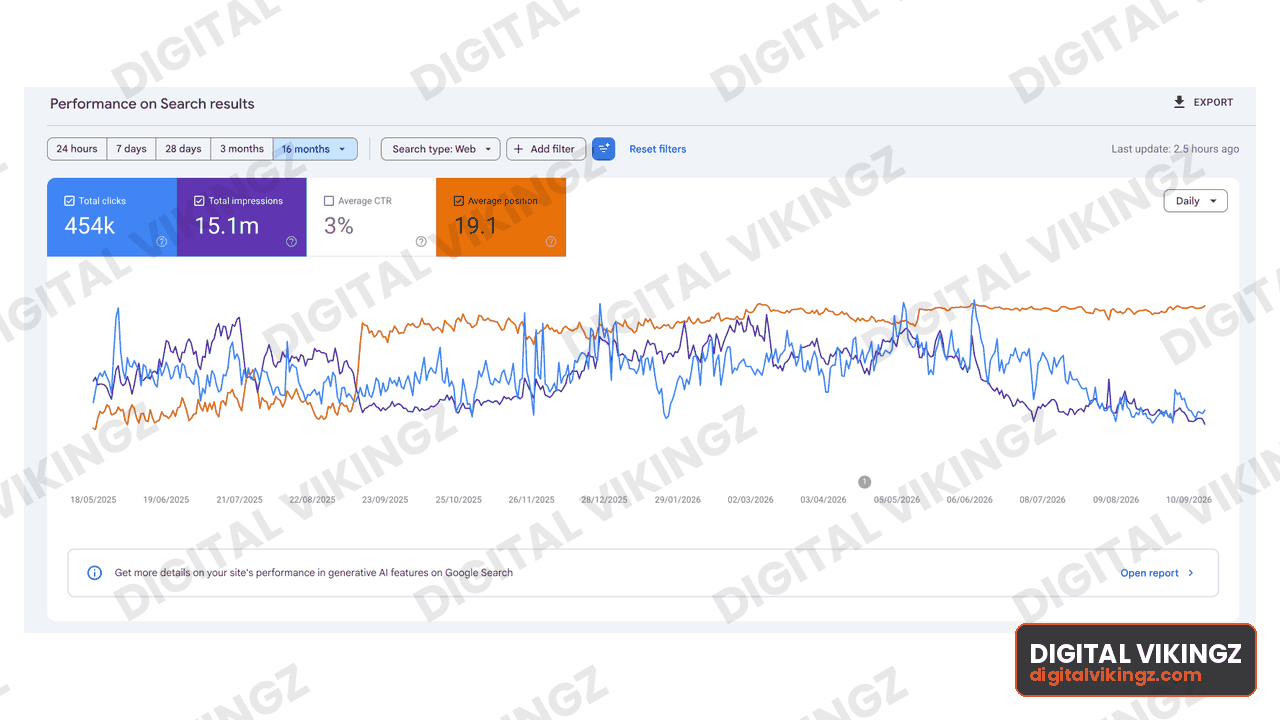
Google Search Console performance panel, Ecommerce · 16 months: 454K clicks, 15.1M impressions, 3% CTR, average position 19.1

Ecommerce16 months

454Kclicks

Impressions
15.1M
CTR
3%
Position
19.1
Ecommerce: 454K clicks

Shoppers search by product type, size, price and brand long before they search a store name. We map those attributes to categories and collections, so two pages never chase the same search. Buying guides link back to the products they mention. The panel on this card shows 454K clicks from 15.1M impressions over 16 months.
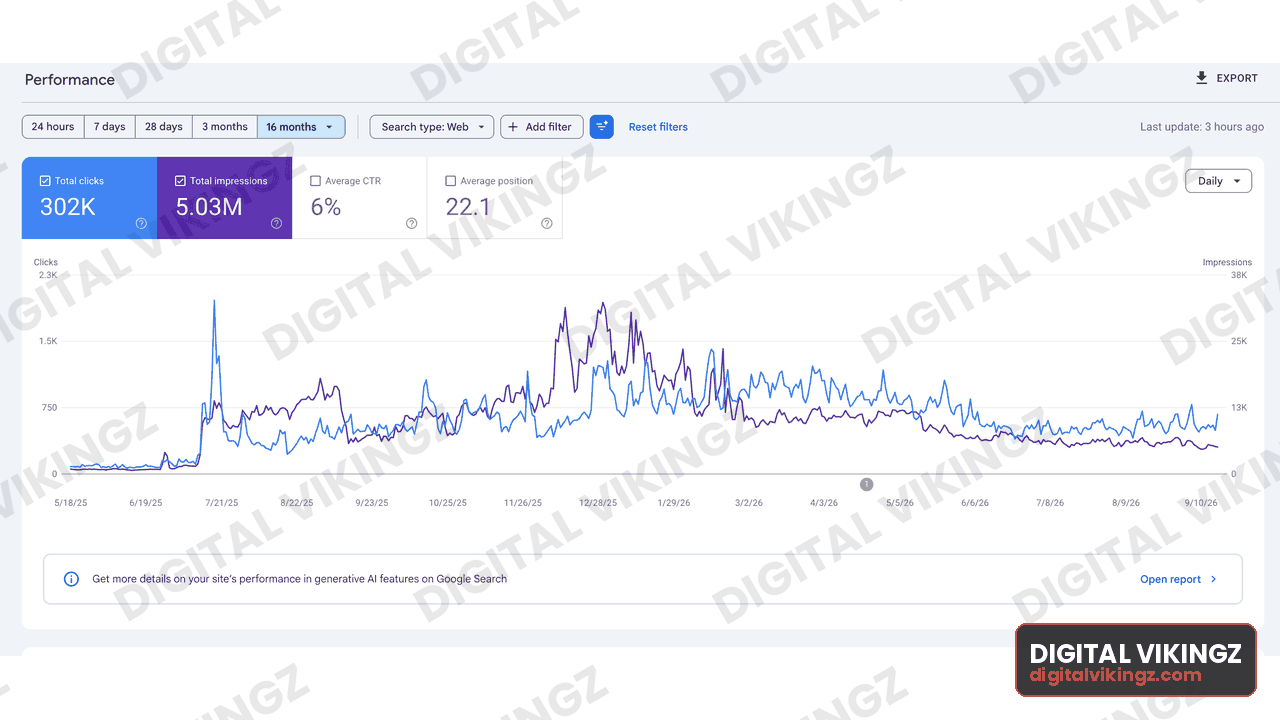
Google Search Console performance panel, Client property · 16 months: 302K clicks, 5.03M impressions, 6% CTR, average position 22.1

Client property16 months

302Kclicks

Impressions
5.03M
CTR
6%
Position
22.1
Client property: 302K clicks

Six clicks for every hundred impressions is high for an average position of 22. It usually means the pages that do reach page one answer the search well. We write each page from a content brief, with the answer in the first lines, then link it to its closest related pages. That is the pattern we look for first.
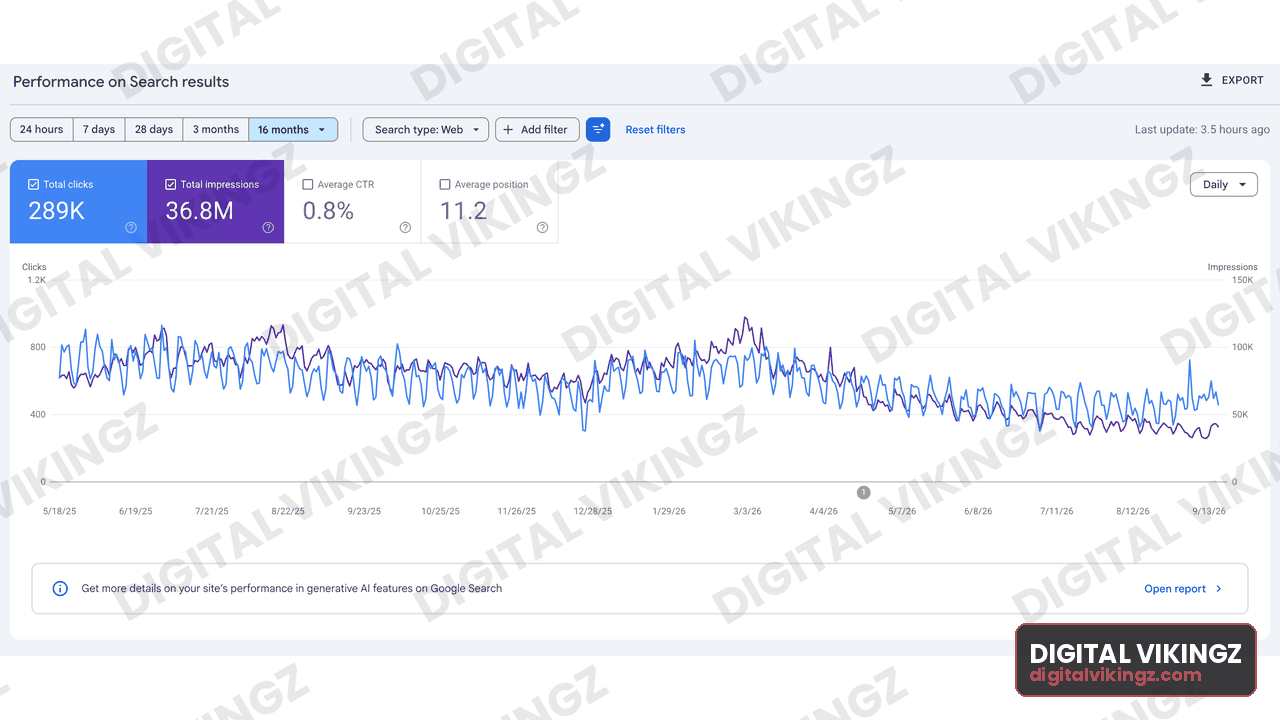
Google Search Console performance panel, Client property · 16 months: 289K clicks, 36.8M impressions, 0.8% CTR, average position 11.2

Client property16 months

289Kclicks

Impressions
36.8M
CTR
0.8%
Position
11.2
Client property: 289K clicks

With 36.8M impressions, the work is less about adding pages and more about deciding what each page owns. We check which URLs appear for the same query, merge the ones that compete and give every survivor a clear role in the topical map. Average position is 11.2, right where a clearer page role starts to pay.
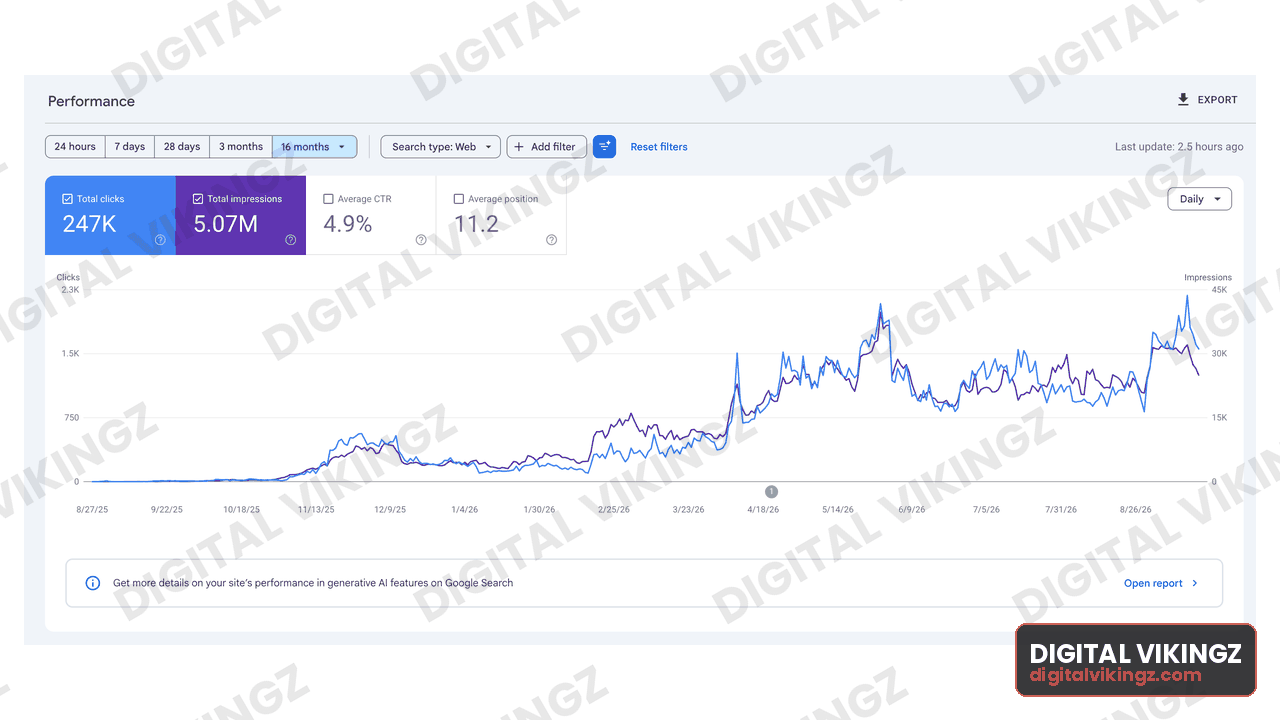
Google Search Console performance panel, Healthcare · from launch: 247K clicks, 5.07M impressions, 4.9% CTR, average position 11.2

Healthcarefrom launch

247Kclicks

Impressions
5.07M
CTR
4.9%
Position
11.2
Healthcare: 247K clicks

Patients search a symptom, then a condition, then a treatment, then someone near them who offers it. We map those four as separate page types and connect them, with the practice as the central entity. Each page says who wrote it and who it is for. This property earned 247K clicks from launch, at an average position of 11.2.
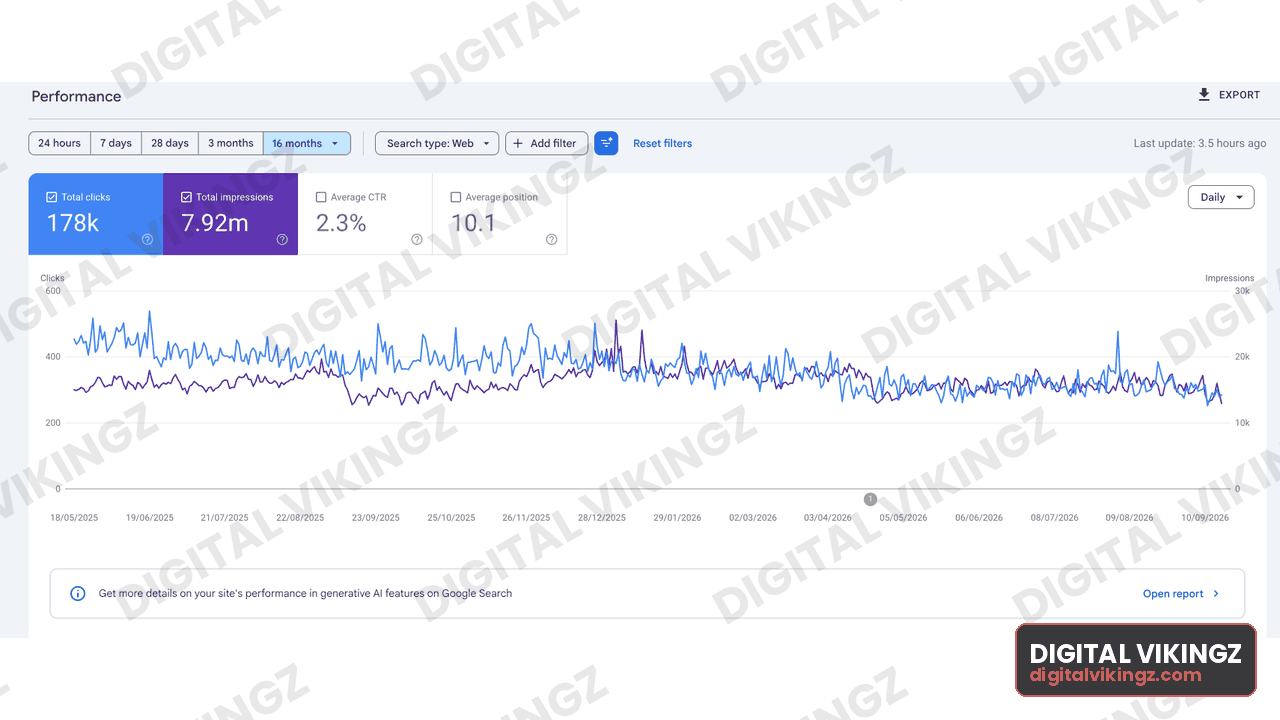
Google Search Console performance panel, Travel and tourism · 16 months: 178K clicks, 7.92M impressions, 2.3% CTR, average position 10.1

Travel and tourism16 months

178Kclicks

Impressions
7.92M
CTR
2.3%
Position
10.1
Travel and tourism: 178K clicks

People plan a trip in questions: when to go, how long, what it costs, what to see. We build the map around the place, then give each question a home near the pages that sell the trip. Seasonal pages are refreshed before the season starts. The panel reads 178K clicks at an average position of 10.1.
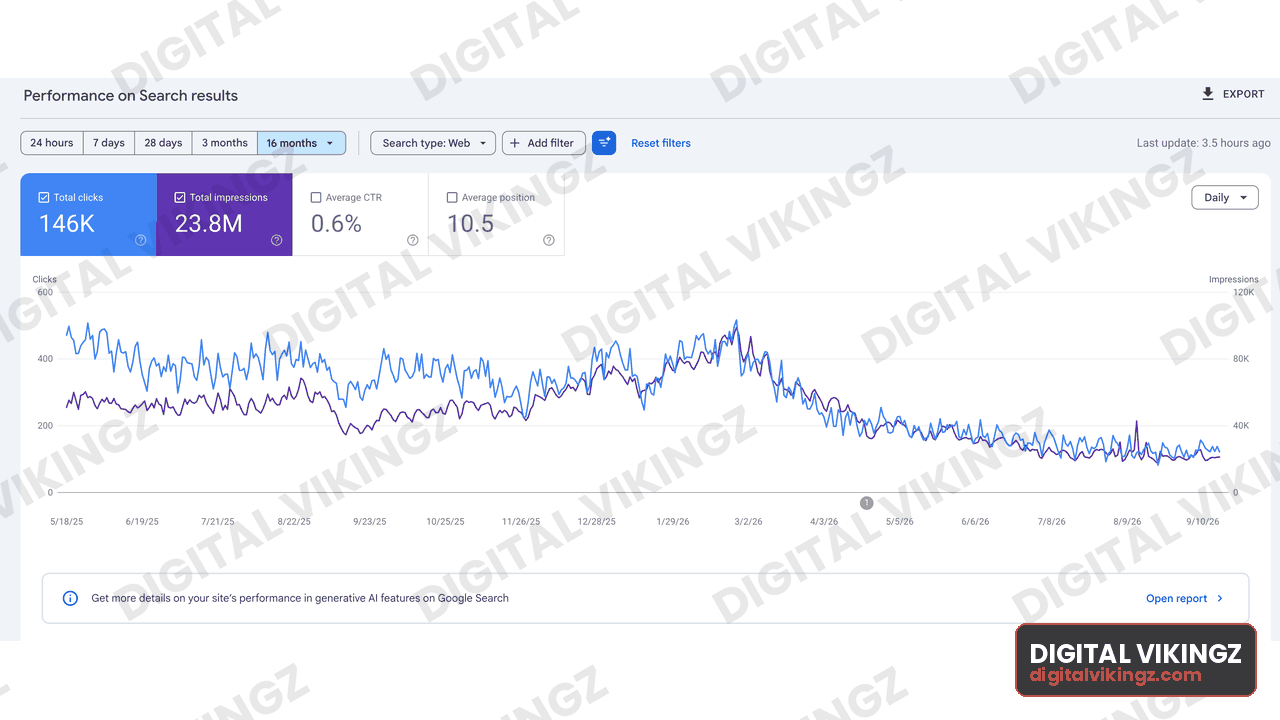
Google Search Console performance panel, Client property · 16 months: 146K clicks, 23.8M impressions, 0.6% CTR, average position 10.5

Client property16 months

146Kclicks

Impressions
23.8M
CTR
0.6%
Position
10.5
Client property: 146K clicks

A large share of these 23.8M impressions are broad searches where the reader is still learning the words. We answer those in the outer section of the map and link down to the core pages that sell. The outer pages bring the reader in. The core pages earn the enquiry, so both need the same vocabulary.
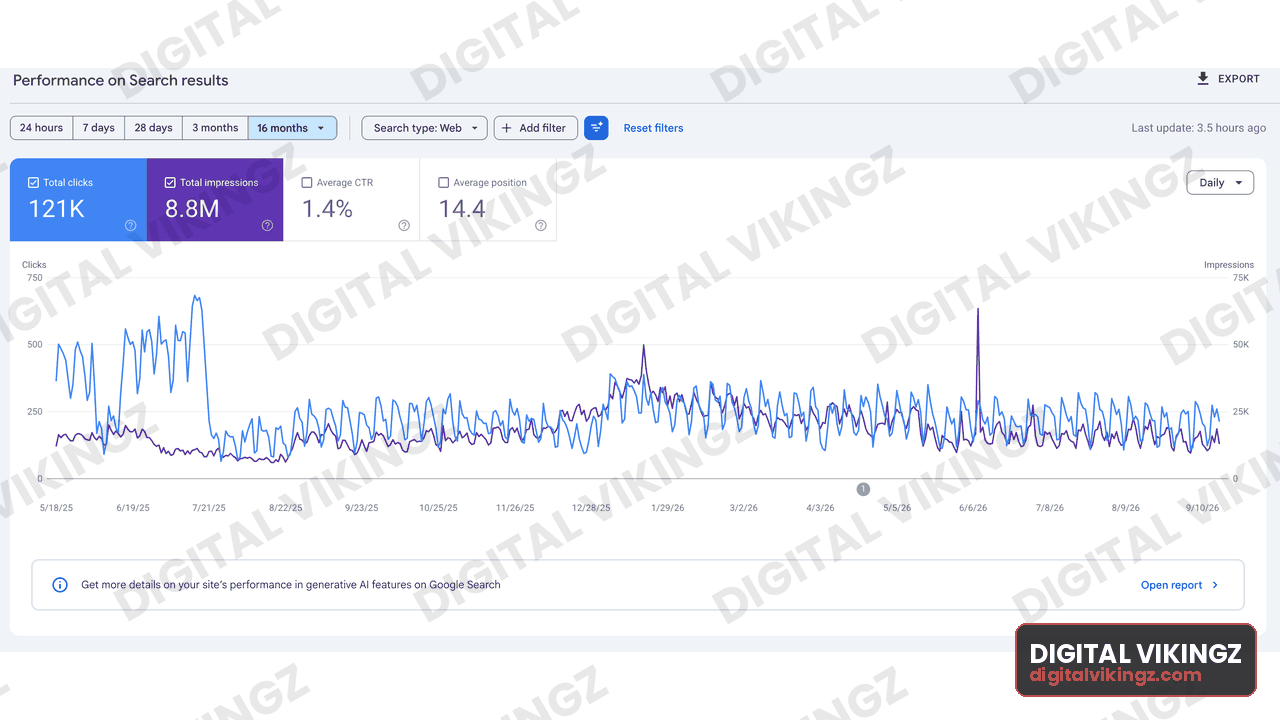
Google Search Console performance panel, Client property · 16 months: 121K clicks, 8.8M impressions, 1.4% CTR, average position 14.4

Client property16 months

121Kclicks

Impressions
8.8M
CTR
1.4%
Position
14.4
Client property: 121K clicks

Before writing anything new, we read the queries a site already appears for and group them by topic. Pages sitting on page two for a whole group get rewritten first, because Google has already connected them to the subject. This panel shows 121K clicks from 8.8M impressions over 16 months, at an average position of 14.4.

See all Search Console results

What is it like to work with Digital Vikingz?

Three clients answer that question themselves in the recordings below, and the written feedback sits beside them as the original screenshots. Each recording is labelled so you can place the client's situation next to yours.

Read all reviews

Brands we have worked with, including Microsoft's Select a logo to read what we did.

Clipchamp

Clipchamp is the online video editor from Microsoft. People use it in the browser or the Windows app to cut clips, add stock footage and export video.

Our part

Usman Ishaq, our founder, worked as a content refresher on Clipchamp. The job was to bring existing pages up to date so they kept answering what people search for when they want to edit a video.

Main entity
Online video editor
Attributes
Templates, stock footage, 4K export, Windows app

Mytello

Mytello is an international calling app for people who call family and businesses abroad.

Our part

We worked on the blog, so questions about calling another country lead readers to the app that places the call.

Main entity
International calling app
Attributes
Country codes, calling rates, service numbers

Crewsim

Crewsim sells eSIM data plans for airline crew who land in a different country every few days.

Our part

We worked on its content, written for the way crew search for data between flights and layovers.

Main entity
eSIM for airline crew
Attributes
Country coverage, data plan, device support, activation

Prepmatter

Prepmatter helps candidates prepare for consulting interviews at firms such as BCG, Bain and McKinsey.

Our part

We worked on its search content, so a candidate who looks up a case type or an online assessment finds practice for it.

Main entity
Consulting interview preparation
Attributes
Case coaching, online assessments, peer practice

ADHD Dude

ADHD Dude teaches parents behavioral training for children and teens with ADHD, from ages 4 to 18.

Our part

We worked on its semantic SEO. Parents search by behavior and by age, so on a site like this those are the attributes each page has to answer.

Main entity
ADHD parent training
Attributes
Age group, defiance, meltdowns, routines

PhoenixBio

PhoenixBio provides humanized liver mouse models for drug development and discovery.

Our part

We worked on its semantic SEO. Research buyers read terms precisely, so on a site like this each model and each use needs one fixed name.

Main entity
Humanized liver model
Attributes
Drug metabolism, safety studies, translational research

AJ Kumar

AJ Kumar is a personal branding consultant for founders and CEOs, and the author of GURU, INC.

Our part

We worked on semantic SEO for the AJ Kumar site. Here the person is the entity, so the site, the book and the profiles need the same description.

Main entity
AJ Kumar, personal branding consultant
Attributes
Founder branding, personal media company, book

WorldSprings

WorldSprings runs outdoor mineral pools and a day spa near Dallas, with cold plunges, saunas and spa treatments.

Our part

We worked on its semantic SEO. Guests search for a pool, a treatment or a day out near them, and each of those needs its own answer.

Main entity
Mineral pools and day spa
Attributes
Location, pools, treatments, day passes

EarnEdits

Our part

We worked with EarnEdits on semantic SEO. Ask us about the project on a strategy call and we will walk you through it.

Articlegen

ArticleGen is an AI article generation platform for WordPress blogs.

Our part

We worked on its semantic SEO. Software buyers compare features and integrations, so on a site like this those are the attributes each page has to state.

Main entity
AI article generator
Attributes
WordPress integration, scheduling, writing style

Which layer does your site need first?

The audit decides which layer comes first. The services below cover every layer from diagnosis to pipeline reporting, and each has a fixed deliverable list you read before you commit. Local SEO and Google Business Profile work joins the Shield layer for businesses that sell in a place, and SEO automation runs underneath every layer, so the repetitive work never slows the roadmap.
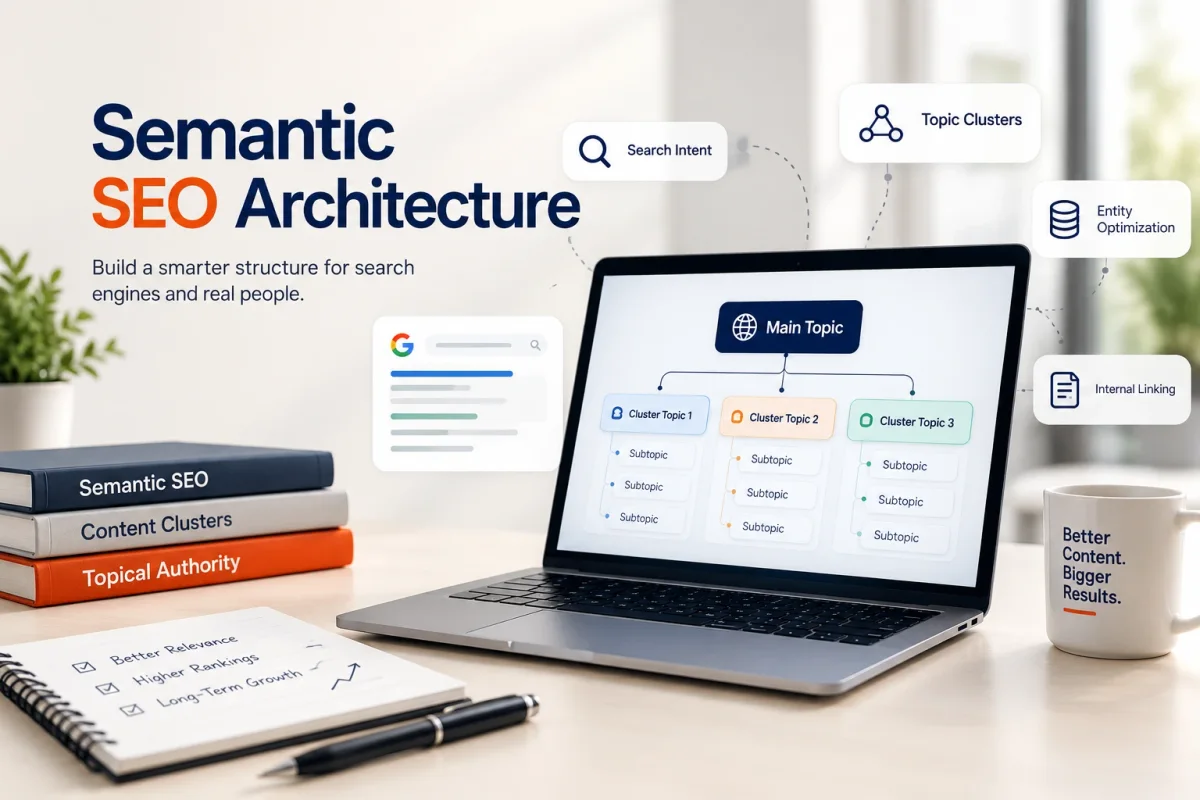
Semantic SEO Strategy: a laptop showing a topical map of main topic and clusters, beside notes on entity optimisation

Semantic SEO Strategy

The written plan your site is built against: central entity definition, topical map, source term vector, entity-attribute matrix, internal linking architecture, 12-month publishing roadmap and the technical entity infrastructure spec. Use it when you want the plan before the production, and when you want a document your team can run without us. Fixed-scope project.

Topical mapCentral entity definitionSource term vectorEntity-attribute matrixInternal linking architecturePublishing roadmap
Semantic SEO Strategy

What do Claim, Shield and Scale mean for your business?

Claim, Shield and Scale are the three layers every engagement moves through, and each layer earns the next. Four steps of work run inside them.

1

Claim

Authority Architecture

Your business becomes a defined entity with one topic, one vocabulary and one topical map. Every page then says the same thing about what you do and for whom.

2

Shield

Authority Defense

That authority is confirmed outside your site, in AI answers and on independent sites in your field. We recheck the site after each core update and track where AI answers name you.

3

Scale

Authority Production

The map is produced page by page in a planned order, and each cluster is tied to the qualified leads it brings in, reported every quarter.

In what order does the work happen?

  1. ClaimDefine the source context and central entityWhat the business is, for whom, and the one entity every page reinforces.
  2. ClaimBuild the topical map, with core and outer sectionsEvery topic the entity must own, which ones earn a page, and the publishing order.
  3. ScaleCreate the semantic content network and its briefsA brief for every page, written to the map, audited by a separate reviewer before it goes live.
  4. ShieldImplement, monitor and expand the authority signalSchema, links and mentions, a weekly Search Console and AI answer report, and new pages where the data asks for them.

Which SEO work do AI agents do, and where do people decide?

AI agents do the SEO work that repeats every week. Strategy, final edits and every publish decision stay with a person, and the writer and the auditor are never the same agent.

Done by AI agentsThe work that repeats

  • Query and competitor research
  • First-draft briefs from the topical map
  • Content and schema audits
  • The Monday SEO and AEO report
  • Google Business Profile posts
  • Internal link suggestions
Sent for review

Decided by peopleThe work that needs judgement

  • The source context and central entity
  • The topical map and what gets a page
  • Every final edit
  • Every publish decision
  • Every recommendation sent to you

The speed of automation, with a specialist approving every page. See SEO Automation

Who gets the most out of semantic SEO?

Semantic SEO pays off most where buyers research before they buy. These four kinds of business come to us most often.


Founder-led SaaS and B2B: semantic SEO buyer segment
Founder-led SaaS and B2BFeature, comparison and alternatives pages built as one network, with a report that names which cluster produced which qualified lead.
Local service businesses and practices: semantic SEO buyer segment
Local service businesses and practicesYour Google Business Profile, service pages and location pages describe you the same way, so Google Maps and AI assistants connect your service, your area and your name.
E-commerce brands: semantic SEO buyer segment
E-commerce brandsThe topical map decides which page owns which search, so category pages, collections and the blog stop competing with each other.
Agencies: semantic SEO buyer segment
AgenciesThe full system delivered under your brand. You keep the client relationship, and we hold the delivery standard.

Which of these is happening to your site right now?

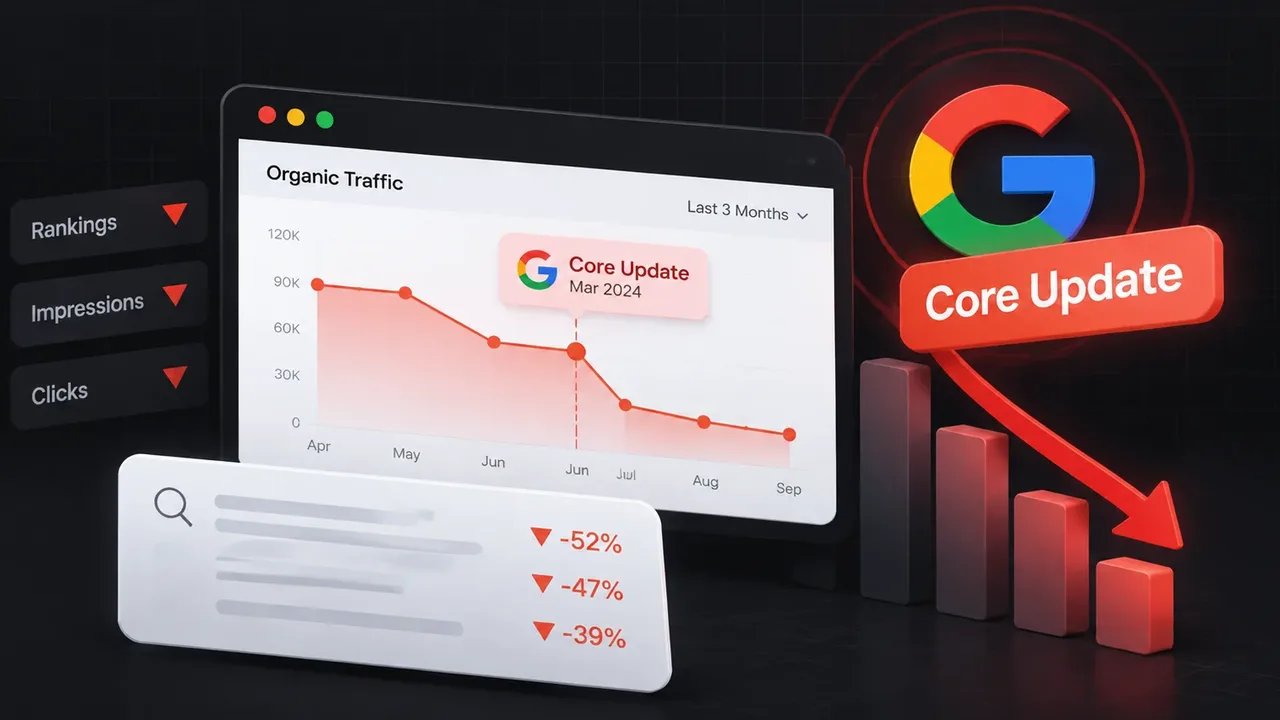
Traffic fell after a core update

A core update recalculates relevance. The audit shows which pages lost which queries, and why.

Why it happens
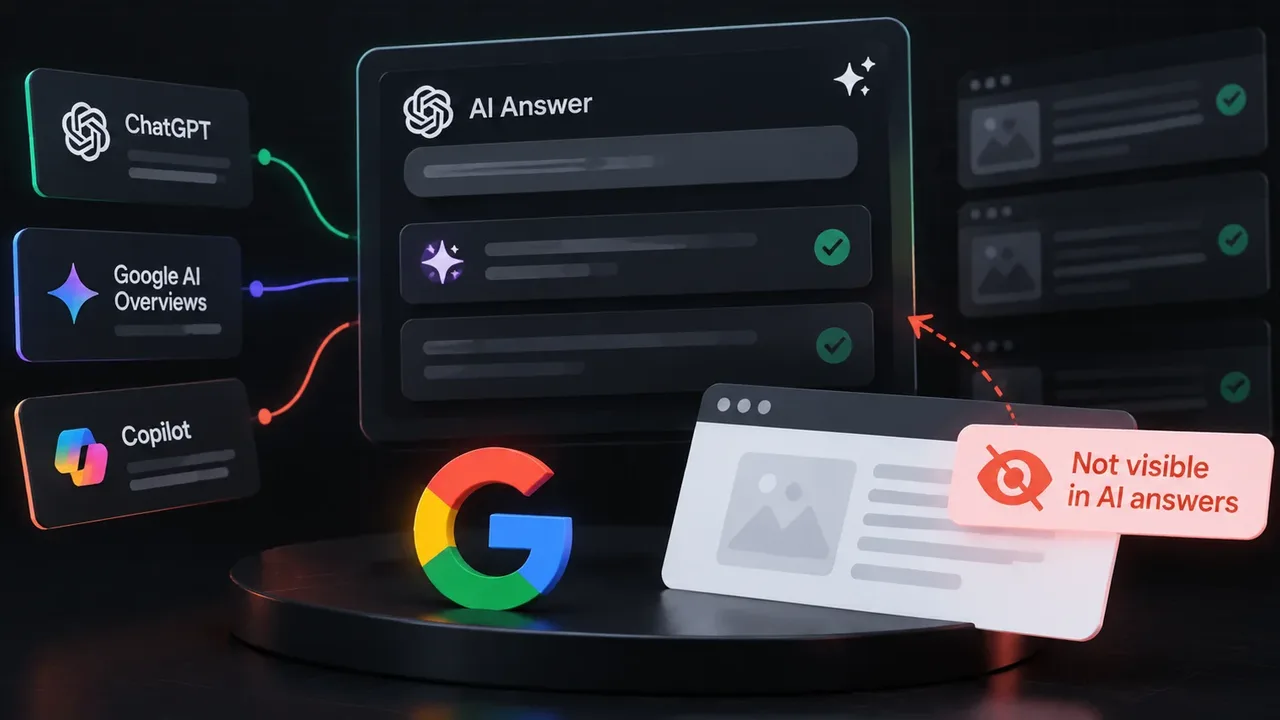
Invisible in AI answers
Your competitor is in the AI answer and you are not

AI engines quote a passage that states one clear fact about a named business. Most business sites have no such passage yet.

How AI picks sources
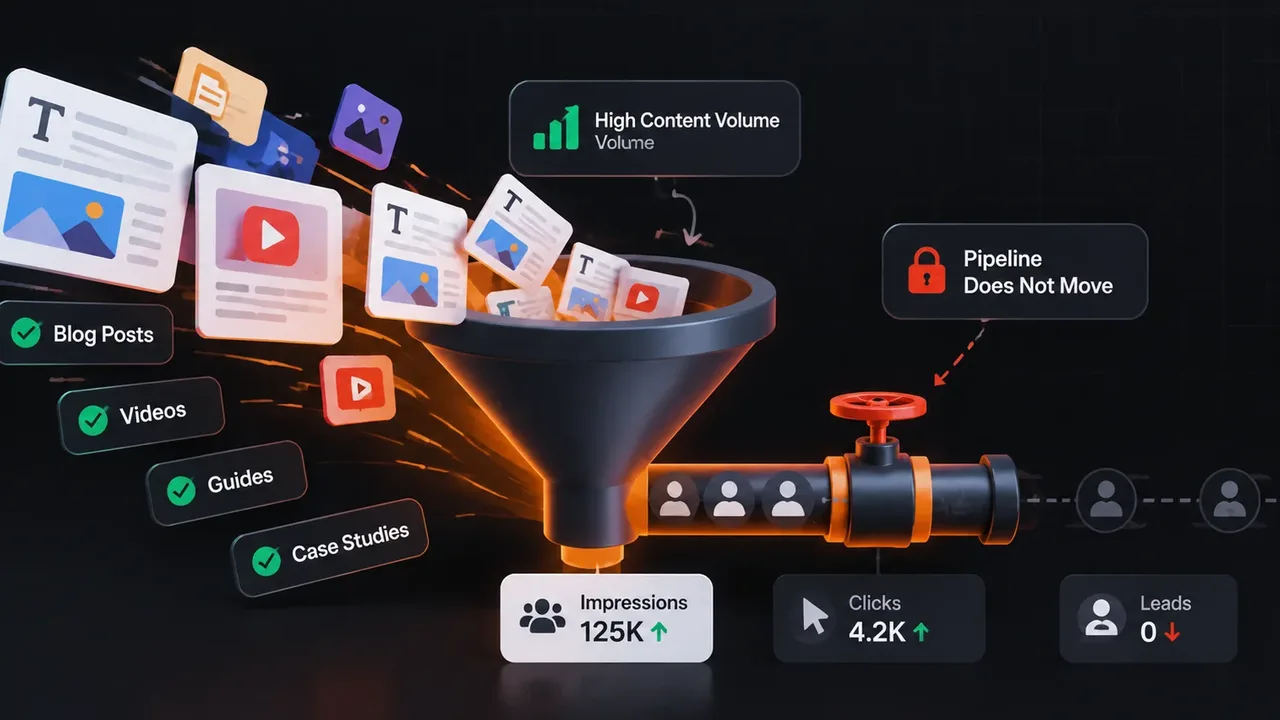
Content ships, pipeline does not move
Content ships every month and pipeline does not move

A content calendar produces pages, and a topical map produces authority. We reorder production so the clusters closest to a sale come first.

Why content fails to convert
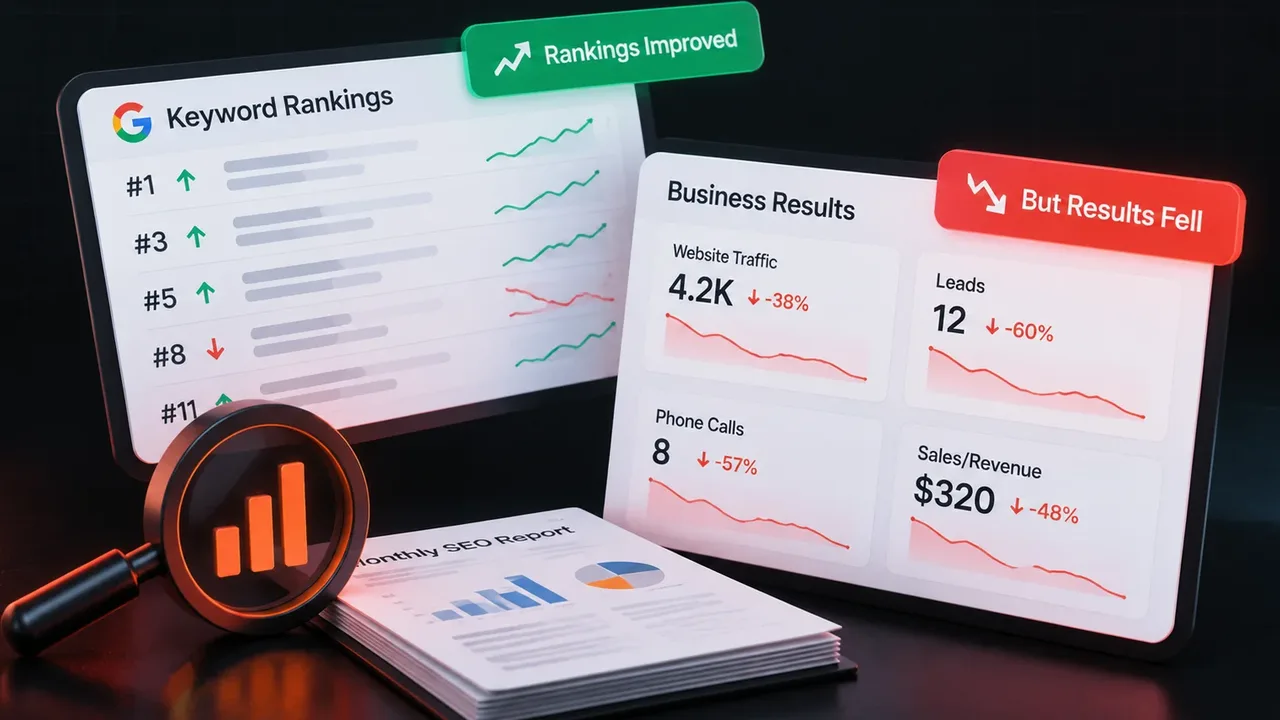
The agency reports rankings, not results
Your current provider reports rankings, not results

We report qualified leads by cluster each quarter, with rankings and AI citations in the appendix.

What to ask your agency

Who will be working on your site?

The founder sets the architecture of every engagement, and a production team builds it from the same written method. You speak with both people below during the engagement.

Usman Ishaq, founder and CEO of Digital Vikingz
Usman IshaqFounder

Decides the central entity, the topical map and the vocabulary on every engagement.

Abad Aslam, content marketing lead
Abad AslamContent Marketing

Owns brief integrity, editorial standards and the publishing workflow that turns the map into pages.

What can you check about Digital Vikingz before you sign?

Six things, and each one can be checked before any money moves.

The proof is in Google Search Console.Every result on this site is a Google Search Console panel, and on the call we open a live property.
The deliverables are documents you own.The audit, the architecture and the roadmap stay with your business with or without a longer engagement.
The method is written down.Every writer, analyst and developer works from one rule set, so the standard never depends on who is assigned.
The founder decides the architecture.The central entity, the topical map and the vocabulary are set by the person whose name is on the company.
The report is tied to pipeline.The quarterly report names which cluster produced which qualified lead. Rankings are in the appendix.
The method runs on this page.The AI Visibility Checker at the top of this page reads your site the way we do, before you talk to anyone.

What do the terms on this page mean?

Four terms carry the method. Each definition stands on its own, and the knowledge hub covers the rest.

Read the knowledge hub

Before you book: what clients ask

These are the questions that come up before a first call, answered the way we answer them on the call.

We paid an agency for a year and got a ranking report. How is this different?
A ranking report measures activity, and our quarterly report measures qualified leads by cluster. The architecture is a document you own, so the work stays with your business when the engagement ends. A ranking report stays with the agency.
Our traffic dropped after the last core update. Can you bring it back?
The audit shows which pages lost which queries and what they have in common, and the architecture gives those pages an entity definition the next update re-evaluates. We do not promise the old positions back. We show you why they were rented in the first place and how the next ones are owned.
Will ChatGPT and Google AI Overviews mention us?
AI engines cite sites with consistent entity definitions, one fact per sentence and a named author, and that is what the AI search visibility work builds. Citation is earned per query, so we report the queries where your site is cited and the queries where a competitor still is.
Who writes the content, a person or an AI?
Trained operators own every brief, entity definition, predicate decision and fact check, and AI is used as a research and drafting layer inside that method. Google says unoriginal, low-quality content should not rank highly, whoever wrote it, which is why every page passes editorial QA against its brief before it ships.
How soon will we see movement in Search Console?
The first measurable movement appears after the first Google core update that follows production, and authority is read as a state across updates rather than as a weekly number. We state the phase sequence before you sign. We do not quote a week count, because Google sets the update calendar, not us.
Can our own team run the plan?
Yes, and the architecture is written so an in-house team can execute it without us. Three models work: we architect and your team produces; we architect and brief and your team writes; or we produce everything and your team handles distribution and conversion.
What if the audit shows semantic SEO is not the fix?
Then the audit says so, names the actual problem, and you keep the document. Some sites need a technical fix, a migration or a different offer before architecture makes sense. The audit is built to find that out before you spend on the wrong layer.
Do you guarantee rankings?
No. We commit to the deliverables, the publishing sequence and the quarterly reporting, and the Search Console panels on this page show what sites built this way do. A ranking guarantee is a sign the provider controls the client's expectations, not the search engine.
Are we locked into a contract?
No. The audit and the architecture are fixed-scope projects, and the monthly work continues only while it earns its place. You can stop at the end of any phase with the documents in hand.
Do you deliver under our agency's brand?
Yes. White-label delivery covers every layer, and each deliverable is prepared for handoff to your client with no Digital Vikingz branding.
Do you work on Google Business Profiles?
Yes. We set categories and services, publish posts, reply to reviews and keep your name, address and phone identical on the profile, the site and the schema, so Google and AI tools describe the business the same way.
Can you help a Shopify or WooCommerce store show up in AI shopping answers?
Yes. We make product, price, stock, shipping and returns data complete and identical on the page and in the markup, and build the collection, guide and product pages as one cluster.
Book a callWhatsApp